This article is for general education and does not replace an in-person assessment, examination, or imaging. Everyone's injury pattern, medical history, and goals differ; use what you read here to prepare better questions for your doctor.
Dr. Nitin N Sunku is a consultant orthopedic and sports medicine surgeon. He sees patients at Raghava Multispeciality Hospital, Attibele, on Sarjapura–Attibele Road, and at Health Nest Hospital, HSR Layout, Bengaluru. If pain is rapidly worsening, you cannot bear weight, you develop numbness or weakness in a limb, or you have fever after an injury, seek urgent medical care. For non-emergency evaluation and individualised treatment options, book through the contact page.
Topics across this blog include knee ligament and meniscus problems, shoulder pain and instability, hip and knee arthritis, fracture recovery principles, spine symptoms when urgent causes have been excluded, running and tendon overuse issues, and what to expect from arthroscopy or joint replacement discussions. If you are comparing sources online, cross-check dates and always confirm advice with an in-person clinician.
Corporate cricket and badminton leagues are the biggest single source of sports injuries from the Electronic City tech parks. The hamstring in the sprint between wickets, the rotator cuff from a hundred overhead smashes, the ankle on the turf, the ACL on the pivot. What each injury feels like, what to do that weekend, and which ones need to be seen within the week.
Every large company in Electronic City runs a cricket tournament and most have a badminton league. The players are in their late twenties to mid-forties, sit at a desk all week, and arrive at the ground or the court on Saturday morning with no warm-up and a great deal of enthusiasm. The injuries that follow are so consistent that a sports-medicine clinic twenty minutes down Hosur Road can more or less predict Monday's appointments from the weekend's fixtures. Here they are, with what to do about each.
Cricket: the hamstring in the sprint between wickets
The single commonest cricket injury in the corporate leagues is the hamstring tear, and it happens in the same moment every time: a sudden sprint for a quick single, from cold, in a muscle that has been sitting in a chair for five days. The player feels a sharp pull or a "pop" at the back of the thigh, cannot sprint, and may have bruising appear over the following days. Grade one strains settle in two to three weeks; a grade two tear takes four to eight; a complete tear with a palpable gap, which is rare, may need surgical repair. The mistake is to rest completely for a fortnight and then play again. A hamstring that is not rehabilitated with progressive strengthening re-tears at a high rate, and a re-tear takes longer than the original. Ice and compression in the first two days, then a structured programme that ends with sprinting, is the plan.
Cricket: the bowler's shoulder and the fielder's fingers
Bowling a full spell after months off loads the rotator cuff and the labrum in a way the shoulder has not been prepared for, and the result is pain at the front or side of the shoulder that is worse on overhead movements and at night. Most of it is rotator cuff tendinopathy or impingement and responds to a period of reduced bowling and a strengthening programme for the cuff and the muscles that control the shoulder blade. A shoulder that dislocated in a dive or a fall is a different matter, particularly in a younger player: first-time dislocations in the under-thirties recur at a high rate and warrant an assessment for stabilisation. Finger injuries from catching are underestimated; a "jammed" finger that stays swollen and cannot straighten fully may have a fracture or a tendon avulsion, and both are easy to treat early and difficult to treat late. Get an X-ray.
Badminton: a hundred overhead smashes
Badminton is the biggest source of weekend injuries from Electronic City, and the shoulder is the commonest site. The repeated overhead smash loads the rotator cuff in exactly the position that pinches it under the acromion, and a player who goes from nothing to three hours of doubles on a Saturday will often have a painful shoulder by Sunday. The pattern is the same as the bowler's: a painful arc on raising the arm, pain at night lying on that side, weakness in overhead movements. Early, it is tendinopathy and settles with load management and cuff strengthening. Left for months, it can progress to a partial tear. Our shoulder pain page covers the assessment.
Badminton: the lunge, the ankle and the Achilles
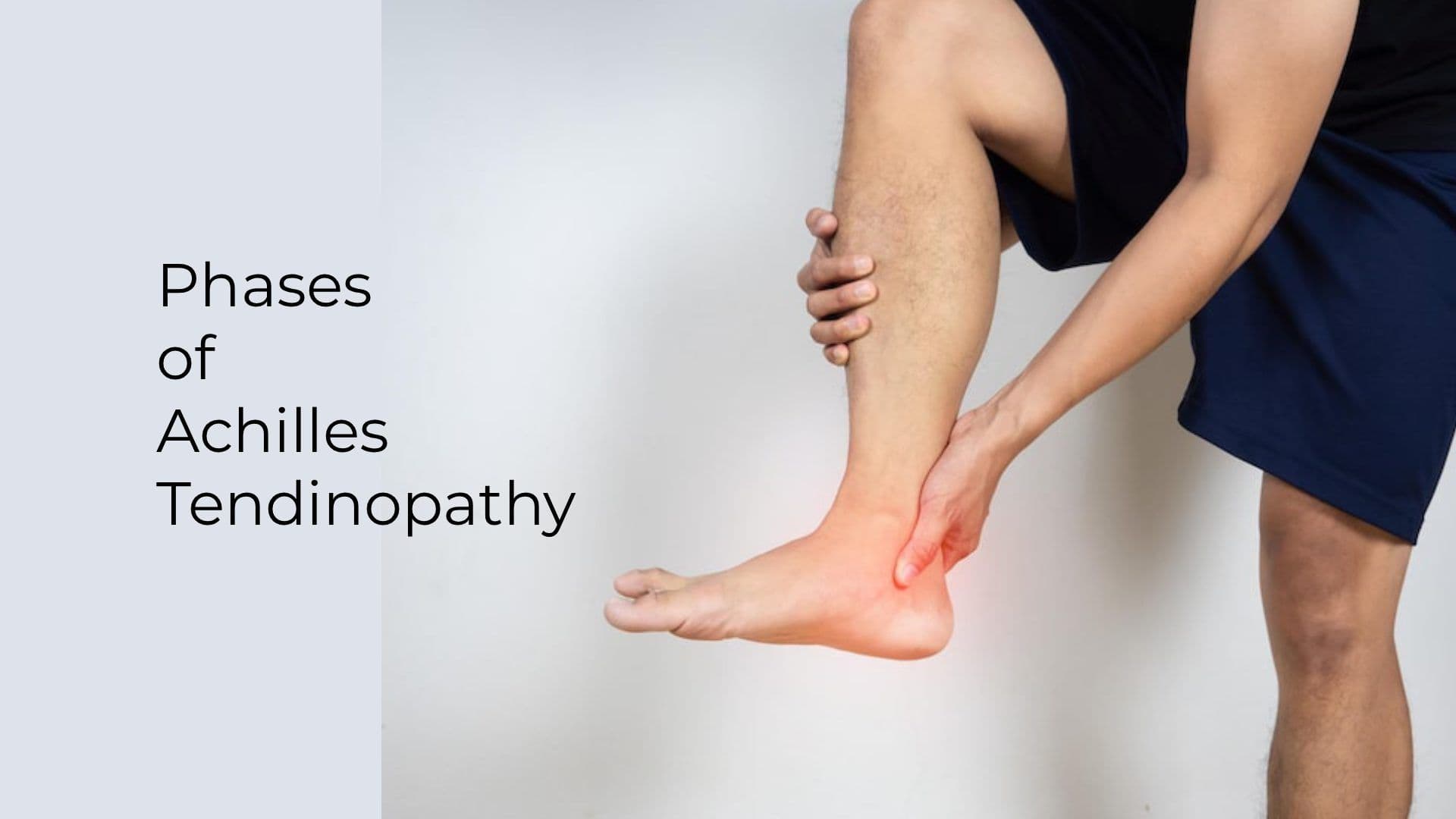
The badminton lunge to the front corners loads the Achilles tendon and the calf heavily, and calf strains and Achilles tendinopathy are the result. A sudden sharp pain in the calf during a lunge, like being kicked from behind, is a calf muscle tear or, more seriously, an Achilles rupture; the latter needs to be seen the same day because early treatment, whether surgical or in a boot, gives far better results. Ankle sprains on the court are common and usually straightforward, but an ankle that cannot bear weight, has bone tenderness over the malleoli, or is still badly swollen at a week should have an X-ray to rule out a fracture. A sprained ankle that is not rehabilitated becomes a chronically unstable one; the balance and strengthening exercises are not optional.
Both sports: the knee that popped
The injury everyone fears is the one that comes with a pop, rapid swelling and a feeling that the knee will not hold: the ACL tear, sometimes with a meniscus tear alongside. It happens when the foot is planted and the body turns, which is the fundamental movement of both cricket fielding and badminton. Stop playing, ice and elevate, and be examined within the week, before swelling and guarding make the assessment harder. Whether it needs reconstruction depends on the tear, the knee and what you want to return to; a competitive league player who wants to keep pivoting usually does, and the operation is done arthroscopically as a day-care or single-night case at the Attibele hospital. The full picture is on the ACL reconstruction page.
What to do at the ground or the court
Stop. A ligament that has torn does not benefit from finishing the match, and a strained hamstring re-tears if it is sprinted on. Ice for fifteen to twenty minutes at a time, every two or three hours for the first two days, never directly on skin. A crepe bandage and elevation limit swelling. No massage, no heat and no pain-relief spray followed by going back on; all three increase bleeding into the injured tissue. Then, for anything that is still painful or swollen on Monday, get examined that week. The sports injury clinic page for Electronic City explains what the assessment at Attibele involves, including the in-house X-ray that rules a fracture in or out on the day.
Preventing next season's injuries
The corporate league injury rate would fall sharply with three changes, none of which involve equipment. A ten-minute warm-up with dynamic stretching and some short accelerations before the first ball or the first game. Two short sessions a week during the season of the strengthening the sport needs: hamstrings and calves for cricket, rotator cuff and calves for badminton, hips and quadriceps for both. And a gradual build into the season rather than a full tournament on the first weekend after a six-month gap. The players who do these things are the ones the clinic does not see.
This article is general guidance. An injury with deformity, a joint that has dislocated, a knee or ankle that cannot bear weight, or a suspected Achilles rupture needs to be seen the same day.

About the Author
Dr. Nitin N Sunku
MBBS, MS (Orthopedics), Fellowship in Arthroscopy & Sports Medicine
Dr. Nitin N Sunku is a Consultant Orthopedic & Sports Medicine Surgeon with over 10 years of focused practice in Bengaluru. He serves as the Team Doctor for Bengaluru FC and consults at Raghava Multispeciality Hospital (Attibele) and Health Nest Hospital (HSR Layout). His clinical interests include arthroscopy, ligament & meniscus care, regenerative orthopedic medicine, ultrasound-guided injections, and joint replacement.
Experiencing symptoms?
Don't let pain hold you back. Schedule a comprehensive evaluation with Dr. Nitin today.
Book Appointment