Knee & Hip Replacement Hospital in Attibele
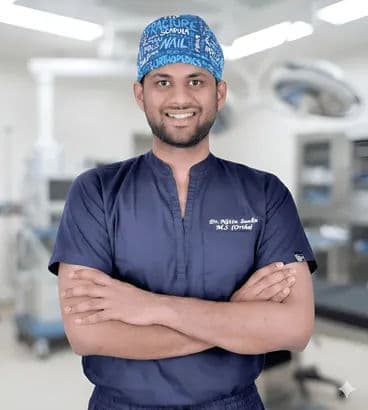
Dr. Nitin N Sunku — Fellowship-Trained Joint Replacement Surgeon
Joint replacement close to home for families across Attibele, Anekal, Hosur, Chandapura and the Electronic City side. Operating theatre, ward and X-ray under one roof; the same surgeon at every visit; and follow-ups that do not mean a day lost to city traffic with a fresh knee.
Call directly
+91-9980031006
Verified Doctor
MBBS, MS (Ortho)
5000+ Patients
10+
Years Experience
5000+
Happy Patients
4.9★
Patient Rating
Same Day
Appointments
Everything From the First X-Ray to the Last Follow-Up
Knee and hip replacement, and the assessment that decides whether you actually need one yet.
Total Knee Replacement
Partial (Unicondylar) Knee Replacement
Bilateral Knee Replacement
Total Hip Replacement
Hip Replacement After Fracture
Revision Joint Replacement
Pre-Surgery Fitness & Diabetes Check
Post-Op Physiotherapy Planning
A Knee or Hip Replacement at Attibele, Step by Step
Families want to know what the week looks like. This is it, for an uncomplicated single joint.
Consultation
History, examination and standing X-rays in the same visit. An honest answer on whether replacement is the right step now, or whether injections and strengthening buy more years first.
Pre-op work-up
Blood tests, ECG, physician and anaesthetic review, diabetes and blood-pressure optimisation. Insurance pre-authorisation is started here.
Surgery day
Admission in the morning; the operation takes 60–90 minutes for a single knee or hip under spinal anaesthesia. Family waits in the hospital, minutes from home.
Day 1–2
Standing and walking with a walker within 24 hours in most cases. Physiotherapy begins on the ward. Pain managed with a multimodal protocol.
Day 3–5
Discharge home with a written exercise programme once you can walk, climb a few steps and manage the toilet independently.
Weeks 2–12
Wound check, staple removal and X-ray at the same hospital — no city trip with a fresh knee. Most patients walk unaided by six weeks and are largely back to normal by three months.
The Attibele–Anekal–Hosur Corridor
On Sarjapura–Attibele Road, minutes off Hosur Highway (NH 44), with parking at the door.
Attibele
Hospital location
Anekal
~15 min drive
Hosur (TN)
~20 min via NH 44
Chandapura
~8 min drive
Bommasandra
~12 min drive
Electronic City
~20 min drive
Sarjapur–Attibele Rd
Dommasandra, Sarjapur ~25 min
Jigani
~15 min drive
Why Families Choose to Have It Done Here Rather Than in the City
Surgery and Every Follow-Up, Minutes from Home
A knee or hip replacement is not one hospital visit — it is a consultation, a work-up, an admission and five or six follow-ups. For families in Attibele, Anekal, Hosur and Chandapura, doing all of that ten minutes away rather than ninety minutes into the city is the whole point.
Fellowship-Trained Joint Replacement Surgeon
Dr. Nitin's fellowship training covers arthroscopy, joint replacement and sports medicine. He operates and does the follow-ups himself — the same surgeon at every visit, not a rotating team.
Operating Theatre, Ward and X-Ray in One Building
Raghava Multispeciality Hospital has its own operating theatre, in-patient ward, in-house X-ray and a 24/7 casualty. Pre-op tests, surgery, post-op X-rays and rehabilitation guidance all happen under one roof.
Multispeciality-Hospital Pricing, Not Corporate-Chain Pricing
The implant is the same; the room rent, theatre charges and surgeon's fee are not. A standard total knee replacement here sits at the lower end of the Bengaluru range without compromising the implant or the surgeon.
Insurance & Cashless Pre-Authorisation Help
Health insurance is accepted for joint replacement, and the hospital team handles the cashless pre-authorisation paperwork with your insurer or TPA before admission.
Replacement Only When It Is Actually the Right Step
Many knees referred for replacement still have years of comfortable function to gain from strengthening, weight management and guided injections. If that is true of yours, you will be told so.
What It Costs, and Why It Costs Less Here
A total knee replacement in Bengaluru runs from roughly ₹1.7 lakh at a multispeciality hospital to ₹6.5 lakh and more at a corporate chain, and a total hip replacement from about ₹2.2 lakh to ₹6.5 lakh depending on the implant. The implant itself is the same product from the same manufacturer wherever it is fitted. What changes is room rent, theatre charges and overhead. At Attibele you get a fellowship-trained surgeon and a standard implant at the lower end of that range. The exact figure depends on the implant chosen, the room category and your insurance, and it is given to you in writing after the consultation — never a surprise on discharge.
Written Estimate Before Admission
Implant, room, theatre, surgeon and expected stay — itemised, with the insurance pre-authorisation started at the same time.
3–5
Days in Hospital
24h
To First Walk
6 wk
Walking Unaided
What Our Patients Say
Arjun R.
2 weeks ago
“Excellent doctor! He explained the issue in detail and the treatment was very effective. Highly recommended.”
Pooja S.
1 month ago
“I had shoulder arthroscopy. Recovery was smooth and Dr. Nitin's care was exceptional throughout.”
Karthik M.
3 weeks ago
“Very professional and friendly. Best orthopedic surgeon in the area, hands down.”
Sunita G.
1 month ago
“Dr. Nitin treated my mother's knee arthritis without surgery. So grateful for his patience and expertise.”
Book a Joint Replacement Consultation
Family members are welcome to attend. The team will call back within hours to confirm your slot.
Raghava Multispeciality Hospital, Attibele
Sarjapura–Attibele Road, opposite Canara Bank. On-site parking, 24/7 casualty, in-house X-ray and operating theatre.
Raghava Multispeciality Hospital
Address
39, Sarjapura - Attibele Rd, opposite Canara Bank (formerly Syndicate Bank), Attibele, Bengaluru, Karnataka 562107
Hours
Mon – Sat: 10:00 AM – 6:00 PM
Phone
+91-9980031006Serving patients from
Deciding on a Joint Replacement When You Live on the Attibele Side
Is it time, or not yet?
The question that matters most is asked least: does this joint need replacing now? A knee or hip replacement is a superb operation for a joint that has worn out — one where the cartilage is gone on X-ray, where the pain limits walking to a few hundred metres and wakes you at night, and where strengthening, weight management and injections have been properly tried and no longer help. It is a poor operation for a joint that is painful but still has cartilage, in a person who has never done a structured exercise programme, because an artificial joint has a lifespan and a first replacement in one's fifties often means a harder revision in one's seventies. The first consultation at Attibele therefore ends in one of two honest answers: yes, and here is the plan; or not yet, and here is what to do to get more years out of the joint you have. The non-surgical options are described on the arthritis treatment and PRP and regenerative treatment pages.
Why distance matters more for this operation than almost any other
Most families on the Attibele, Anekal and Hosur side assume a joint replacement means a corporate hospital in the city. It is worth counting the trips before deciding. A typical knee replacement involves a consultation, a pre-operative work-up visit, the admission itself, a wound check at two weeks, a review with X-ray at six weeks, and a final review at three months — with physiotherapy sessions in between. For a patient who has just had a knee operated on, each of those city trips is ninety minutes each way in a car, with a knee that does not yet bend comfortably, and a family member who has taken a day off to drive. Done ten or twenty minutes from home, the same journey is undramatic. Elderly parents are not away from home for a week; a son or daughter working in Electronic City can visit the ward on the way home; and if anything worries the family at 11 pm on the third night after discharge, the hospital that did the operation, with the surgeon's notes, is minutes away with a 24/7 casualty.
What the hospital provides, honestly stated
Raghava Multispeciality Hospital is an established multispeciality hospital, not a corporate chain, and it is worth being clear about what that means. It has its own operating theatre, in-patient ward, in-house X-ray, laboratory support and a 24/7 casualty. Anaesthesia and physician support for pre-operative fitness — diabetes and blood-pressure optimisation, cardiac assessment where needed — are arranged as part of the work-up. Joint replacement here is done with standard implants from the major manufacturers, the same products used in the city hospitals, fitted by a fellowship-trained surgeon who does the follow-ups personally. What it does not offer is the marble lobby and the room rent that goes with it, which is the main reason the same operation costs less. Patients with complex medical problems that need intensive-care backup are told so at the consultation and referred appropriately; that honesty is part of the service.
Recovery, and what families should plan for
Modern joint replacement is a fast-recovery operation. Most patients stand and walk with a walker within 24 hours, are discharged on day three to five, and are walking unaided by about six weeks. The two things that make the biggest difference are pre-operative preparation — a few weeks of strengthening before surgery, and diabetes brought under control — and doing the exercise programme after it, every day, whether it is convenient or not. The home needs a little preparation: a chair with arms, a raised toilet seat or commode, no loose rugs, and someone around for the first week. The written programme given at discharge covers all of this, and the physiotherapy plan is set up before you leave the ward. The specifics of implant types, longevity and the differences between partial and total replacement are covered on the knee replacement surgery and hip replacement surgery service pages, and the question of how long a new joint lasts in how long does a knee or hip replacement last.
Insurance and paperwork
Joint replacement is covered by most health insurance policies once any waiting period has passed, and the hospital team handles the cashless pre-authorisation with your insurer or TPA before admission — the process is explained in how cashless pre-authorisation works for orthopedic surgery. Bring the policy document, the insured person's ID and any previous treatment records to the first consultation, and the estimate and the pre-authorisation can be started the same day. Coverage specifics vary by insurer; the general position is on the insurance and cashless treatment page.
Frequently Asked Questions
Practical answers for patients and families from Attibele, Anekal, Hosur, Chandapura and Electronic City.
Is knee and hip replacement actually performed at the Attibele hospital, or only consulted there?
It is performed there. Raghava Multispeciality Hospital has its own operating theatre, in-patient ward and in-house X-ray, and Dr. Nitin operates and does the follow-ups at the same hospital. Consultation, pre-operative work-up, surgery and every post-operative review happen in one building.
How do I know if I need a replacement or whether something else would work first?
A standing X-ray and an examination settle it. Replacement is the right step when the cartilage is worn through, pain limits walking and sleep, and strengthening, weight management and injections have been properly tried. If your joint still has cartilage and you have not had a structured non-surgical programme, you will be told that a replacement is not yet the right step — and what to do instead.
What does a knee replacement cost at Attibele?
A standard total knee replacement sits at the lower end of the Bengaluru range — the city-wide range runs from roughly ₹1.7 lakh to ₹6.5 lakh and more depending on the hospital and implant. The exact figure depends on the implant chosen, the room category and your insurance cover, and is given in writing after the consultation. The full breakdown is on the knee replacement cost guide.
How long is the hospital stay, and when can my parent walk?
Typically three to five days for a single knee or hip. Most patients stand and take their first steps with a walker within 24 hours of surgery, with physiotherapy starting on the ward. Discharge is once they can walk, manage a few steps and use the toilet independently.
We live in Hosur. Is it worth coming across to Attibele rather than a Hosur hospital?
Attibele is about 20 minutes from Hosur via NH 44, and for many Hosur families it is the nearest fellowship-trained joint replacement surgeon on either side of the border. The follow-ups — wound check, six-week X-ray, three-month review — are all short trips. Many patients from Hosur, Zuzuvadi and Bagalur are treated here.
Is the operation done under general anaesthesia?
Usually under spinal anaesthesia with sedation, which is safer for older patients, gives excellent pain control for the first day and allows earlier mobilisation. General anaesthesia is used where there is a specific reason. The anaesthetist assesses every patient before admission.
My mother is diabetic and has high blood pressure. Can she still have the surgery?
In most cases yes, provided both are brought under control first. The pre-operative work-up includes physician review, blood sugar and blood pressure optimisation and a cardiac assessment where indicated. Uncontrolled diabetes raises the infection risk, so surgery is scheduled once the numbers are right rather than on a fixed date.
Can both knees be replaced at the same time?
For fit patients with severe arthritis in both knees, bilateral replacement in one sitting is an option and avoids a second admission and recovery. It is a bigger operation and is offered selectively, based on age, heart and lung fitness and overall health. The alternative is staging the two knees three to six months apart.
Is health insurance accepted, and is cashless available?
Yes. Health insurance is accepted for joint replacement and the hospital team handles the cashless pre-authorisation with your insurer or TPA before admission. Bring the policy document and ID to the first consultation so the estimate and pre-authorisation can be started the same day. Coverage specifics vary by insurer.
How long will the new joint last?
Modern knee and hip implants have survival rates of roughly 90 per cent at 15 years and many last 20 years or more. Longevity depends on the implant, the accuracy of the surgery, body weight and activity — which is also why replacement is timed carefully rather than done early.
A New Knee or Hip, Ten Minutes from Home.
Bring your X-rays or come for fresh ones — book a consultation at Raghava Hospital, Attibele.