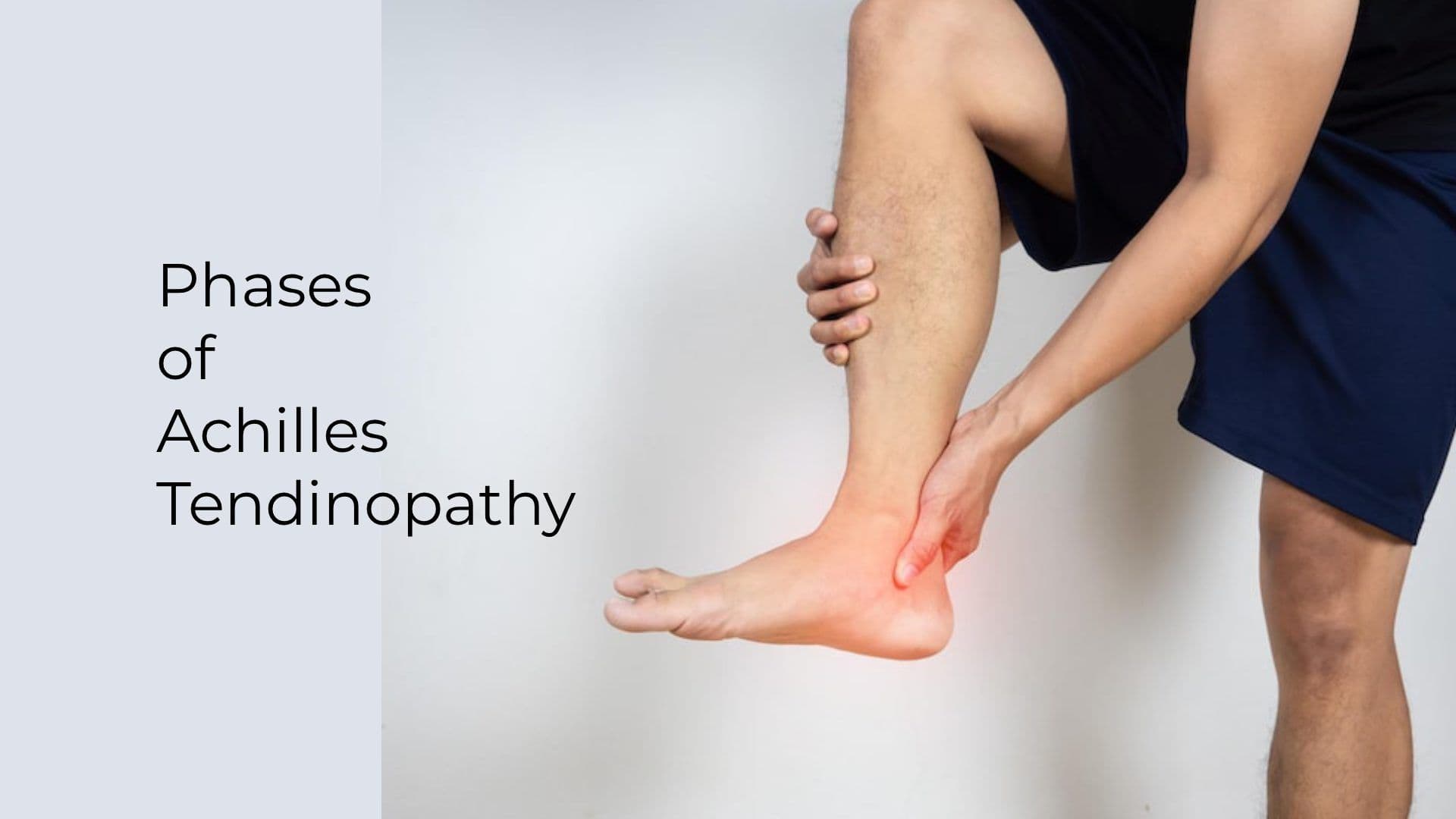
This article is for general education and does not replace an in-person assessment, examination, or imaging. Everyone's injury pattern, medical history, and goals differ; use what you read here to prepare better questions for your doctor.
Dr. Nitin N Sunku is a consultant orthopedic and sports medicine surgeon. He sees patients at Raghava Multispeciality Hospital, Attibele, on Sarjapura–Attibele Road, and at Health Nest Hospital, HSR Layout, Bengaluru. If pain is rapidly worsening, you cannot bear weight, you develop numbness or weakness in a limb, or you have fever after an injury, seek urgent medical care. For non-emergency evaluation and individualised treatment options, book through the contact page.
Topics across this blog include knee ligament and meniscus problems, shoulder pain and instability, hip and knee arthritis, fracture recovery principles, spine symptoms when urgent causes have been excluded, running and tendon overuse issues, and what to expect from arthroscopy or joint replacement discussions. If you are comparing sources online, cross-check dates and always confirm advice with an in-person clinician.
Elbow pain when lifting, gripping, or typing? It might be **Tennis Elbow**.
Elbow pain when lifting, gripping, or typing is one of the most common complaints I see in clinic — and in most cases it points to Tennis Elbow. The good news is that the large majority of patients recover fully with the right, structured non-surgical care.
Tennis Elbow (lateral epicondylitis) is caused by overuse and micro-tearing of the tendons that attach the forearm muscles to the bony bump on the outer side of the elbow. Despite the name, it affects far more than tennis players — gym-goers, office workers who type or use a mouse for long hours, cooks, carpenters, plumbers, and new parents lifting a growing baby are all frequently affected. It typically develops gradually rather than from a single injury.
What Causes Tennis Elbow?
The condition develops when the extensor tendons (especially the extensor carpi radialis brevis) are repeatedly loaded beyond what they can recover from. Common triggers include:
- Repetitive gripping, twisting, or wrist extension at work or in sport
- A sudden increase in activity — for example, starting a new gym routine or a home renovation project
- Poor technique or unsuitable equipment (racquet grip size, mouse position, tool handles)
- Age-related reduction in tendon elasticity, most common between 35 and 55
Symptoms to Watch For
Symptoms often build up over weeks and may include:
- Pain and tenderness on the outer part of the elbow, sometimes radiating into the forearm
- Pain that worsens with gripping, lifting, shaking hands, or turning a doorknob
- Weakness in the grip, or dropping objects unexpectedly
- Stiffness in the morning that eases as the arm warms up
How It Is Diagnosed
In most cases a careful history and physical examination are enough to confirm tennis elbow. I check for tenderness over the outer elbow and perform simple resisted-movement tests that reproduce the pain. Imaging is not usually required, but an ultrasound or MRI may be ordered when the diagnosis is unclear, symptoms have lasted several months, or we need to rule out other causes such as nerve entrapment or arthritis.
Progression and Why Early Care Matters
Without proper care, the condition can become chronic and limit hand and arm function, making everyday tasks frustrating. Early, guided treatment shortens recovery and reduces the chance of a long-standing problem.
Treatment Options
Treatment is almost always non-surgical and is tailored to the severity and duration of your symptoms:
- Activity modification and relative rest — avoiding the specific movements that aggravate the tendon while staying otherwise active
- Physiotherapy — progressive eccentric strengthening of the forearm is the single most effective treatment for most patients
- Counterforce braces — to offload the tendon during activity
- Shockwave therapy — useful for stubborn cases that have not settled with exercise
- Ultrasound-guided injections — including PRP (platelet-rich plasma) in selected cases to support tendon healing
- Minor surgical release — reserved for the small number of patients whose symptoms persist beyond 6–12 months despite full conservative treatment
Self-Care You Can Start Today
While waiting to be assessed, you can ease symptoms by applying ice for 10–15 minutes after activity, avoiding heavy gripping, checking your desk and mouse setup, and gently stretching the forearm. Avoid pushing through sharp pain, which usually sets recovery back.
As an orthopedic doctor and sports medicine specialist consulting in HSR Layout and Attibele, Bengaluru, I provide personalised treatment plans for tennis elbow focused on long-term relief and a safe return to work and sport. If your elbow pain has lasted more than a few weeks or is interfering with daily tasks, an early evaluation is worthwhile.
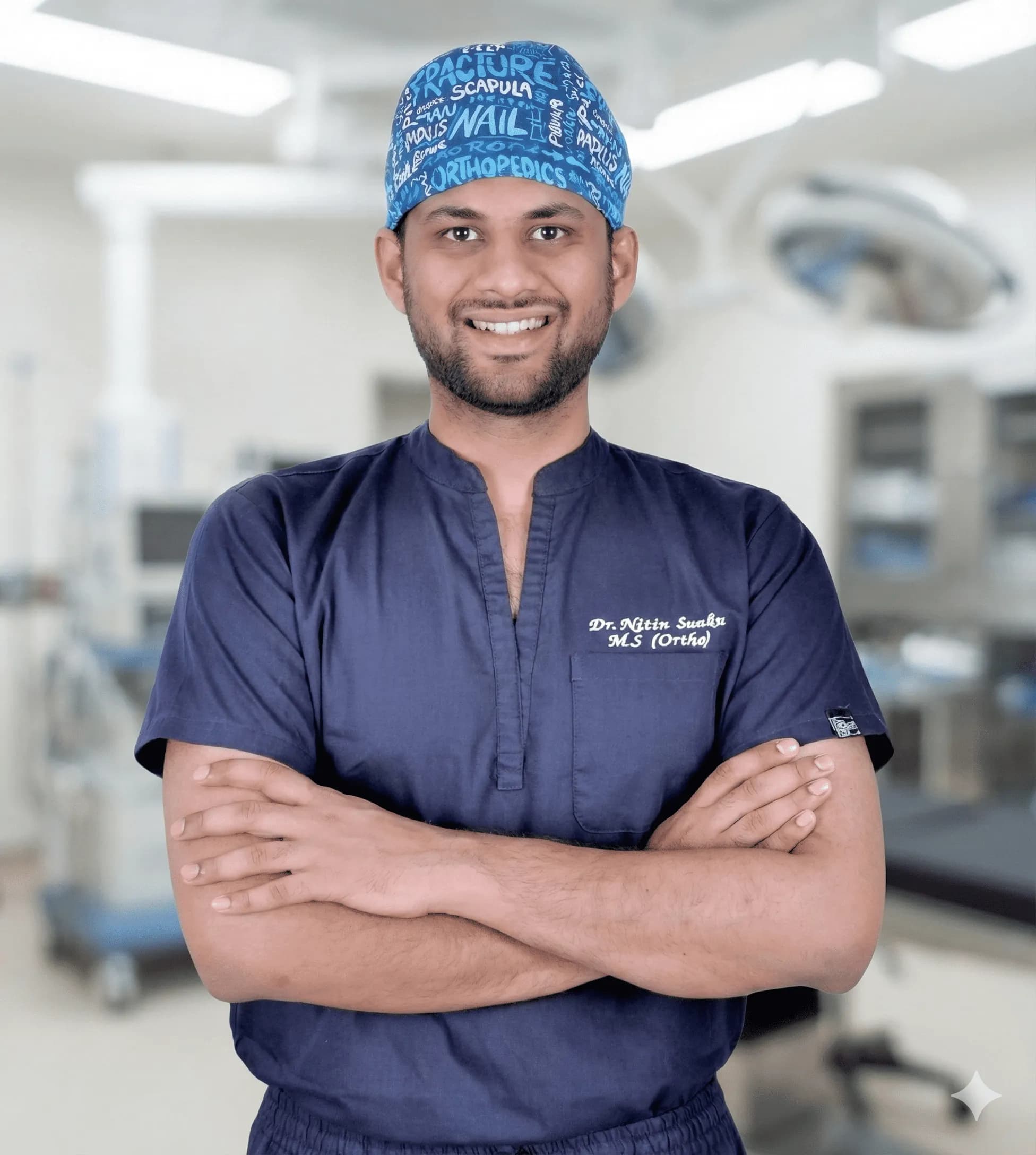
About the Author
Dr. Nitin N Sunku
MBBS, MS (Orthopedics), Fellowship in Arthroscopy & Sports Medicine
Dr. Nitin N Sunku is a Consultant Orthopedic & Sports Medicine Surgeon with over 10 years of focused practice in Bengaluru. He serves as the Team Doctor for Bengaluru FC and consults at Raghava Multispeciality Hospital (Attibele) and Health Nest Hospital (HSR Layout). His clinical interests include arthroscopy, ligament & meniscus care, regenerative orthopedic medicine, ultrasound-guided injections, and joint replacement.
Experiencing symptoms?
Don't let pain hold you back. Schedule a comprehensive evaluation with Dr. Nitin today.
Book Appointment