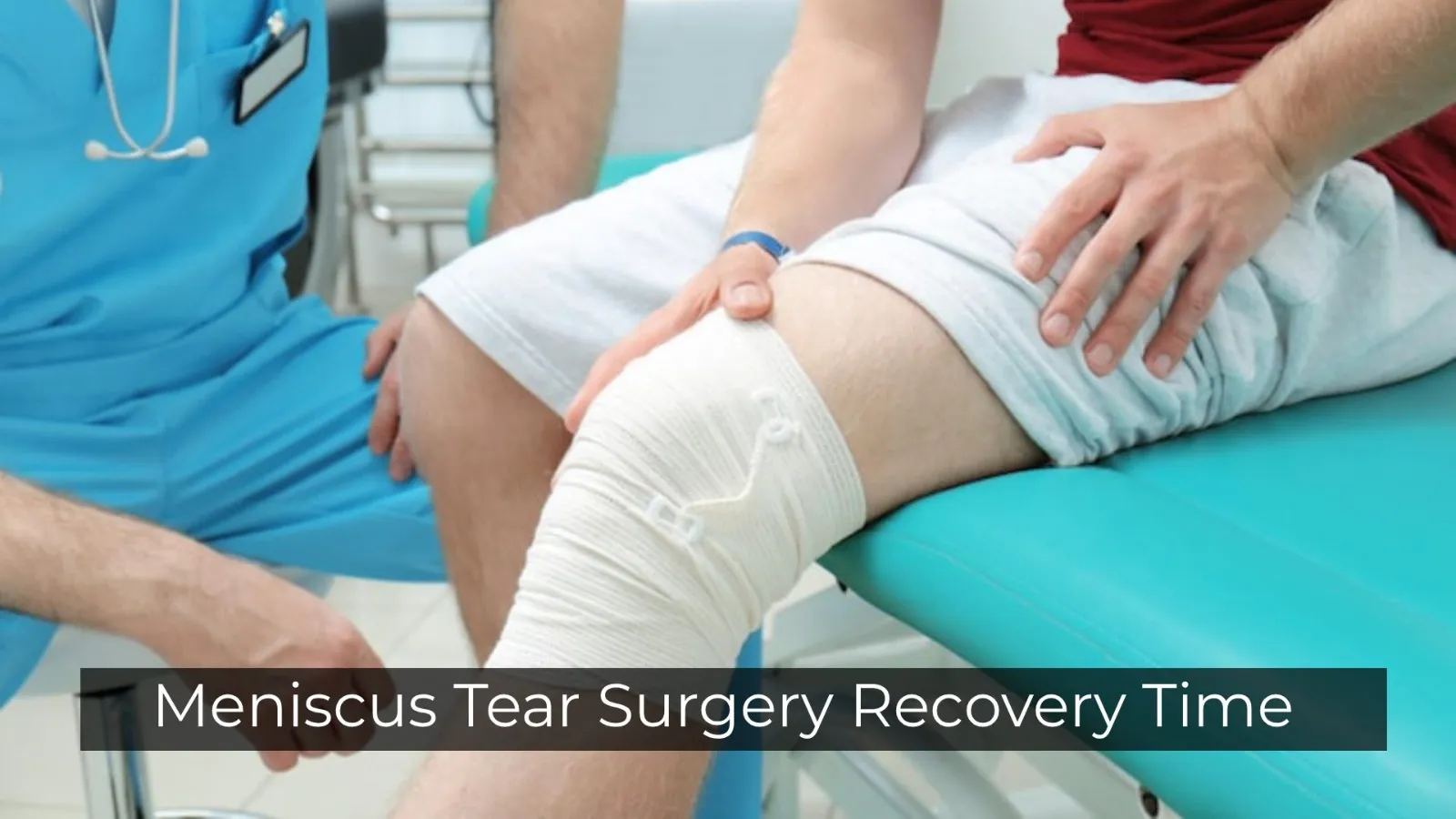
This article is for general education and does not replace an in-person assessment, examination, or imaging. Everyone's injury pattern, medical history, and goals differ; use what you read here to prepare better questions for your doctor.
Dr. Nitin N Sunku is a consultant orthopedic and sports medicine surgeon. He sees patients at Raghava Multispeciality Hospital, Attibele, on Sarjapura–Attibele Road, and at Health Nest Hospital, HSR Layout, Bengaluru. If pain is rapidly worsening, you cannot bear weight, you develop numbness or weakness in a limb, or you have fever after an injury, seek urgent medical care. For non-emergency evaluation and individualised treatment options, book through the contact page.
Topics across this blog include knee ligament and meniscus problems, shoulder pain and instability, hip and knee arthritis, fracture recovery principles, spine symptoms when urgent causes have been excluded, running and tendon overuse issues, and what to expect from arthroscopy or joint replacement discussions. If you are comparing sources online, cross-check dates and always confirm advice with an in-person clinician.
Explore meniscus tear treatment options and understand whether repair, reconstruction, or surgery is best for recovery.
That sharp pop during a football tackle, or the slow ache after weeks of running — these are all ways a meniscus tear announces itself. It is one of the most common knee injuries seen in active adults across Bengaluru.
What Is the Meniscus and Why Does It Matter?
The meniscus is the knee's shock absorber. Preservation is key: patients who lose significant meniscal tissue have a substantially higher risk of early-onset osteoarthritis. The meniscus has three blood-supply zones:
- Red-Red Zone (outer): Rich blood supply, heals well with repair.
- Red-White Zone (middle): Marginal supply; repair depends on tear pattern.
- White-White Zone (inner): No supply; typically requires partial removal.
Types of Meniscus Tears
- Vertical / Longitudinal
- Bucket-handle
- Radial
- Horizontal cleavage
- Complex / Degenerative
- Root tears
Symptoms and Diagnosis
Common signs include joint line pain, swelling, locking, and "giving way". Diagnosis involves clinical tests (McMurray's) and MRI, which has >90% sensitivity.
Treatment Options
Step 1: Conservative Management
Small tears may respond to the RICE protocol (Rest, Ice, Compression, Elevation) and targeted physiotherapy. PRP injections may also be used as an adjunct.
Step 2: Arthroscopic Surgery
- Meniscus Repair: Preferred for younger patients with acute, peripheral tears. Dr. Nitin uses contemporary suturing techniques (inside-out, all-inside).
- Partial Meniscectomy: Trimming irreparable portions. Faster initial recovery but higher long-term arthritis risk.
- Meniscus Reconstruction: Transplantation using an allograft for patients with total meniscus loss.
Frequently Asked Questions (FAQ)
Can I play sports again?
Yes, most athletes return after 4–6 months (repair) or 4–6 weeks (meniscectomy).
Cost of surgery in Bengaluru?
Varies based on procedure and implants; typically covered by insurance.
About the Author
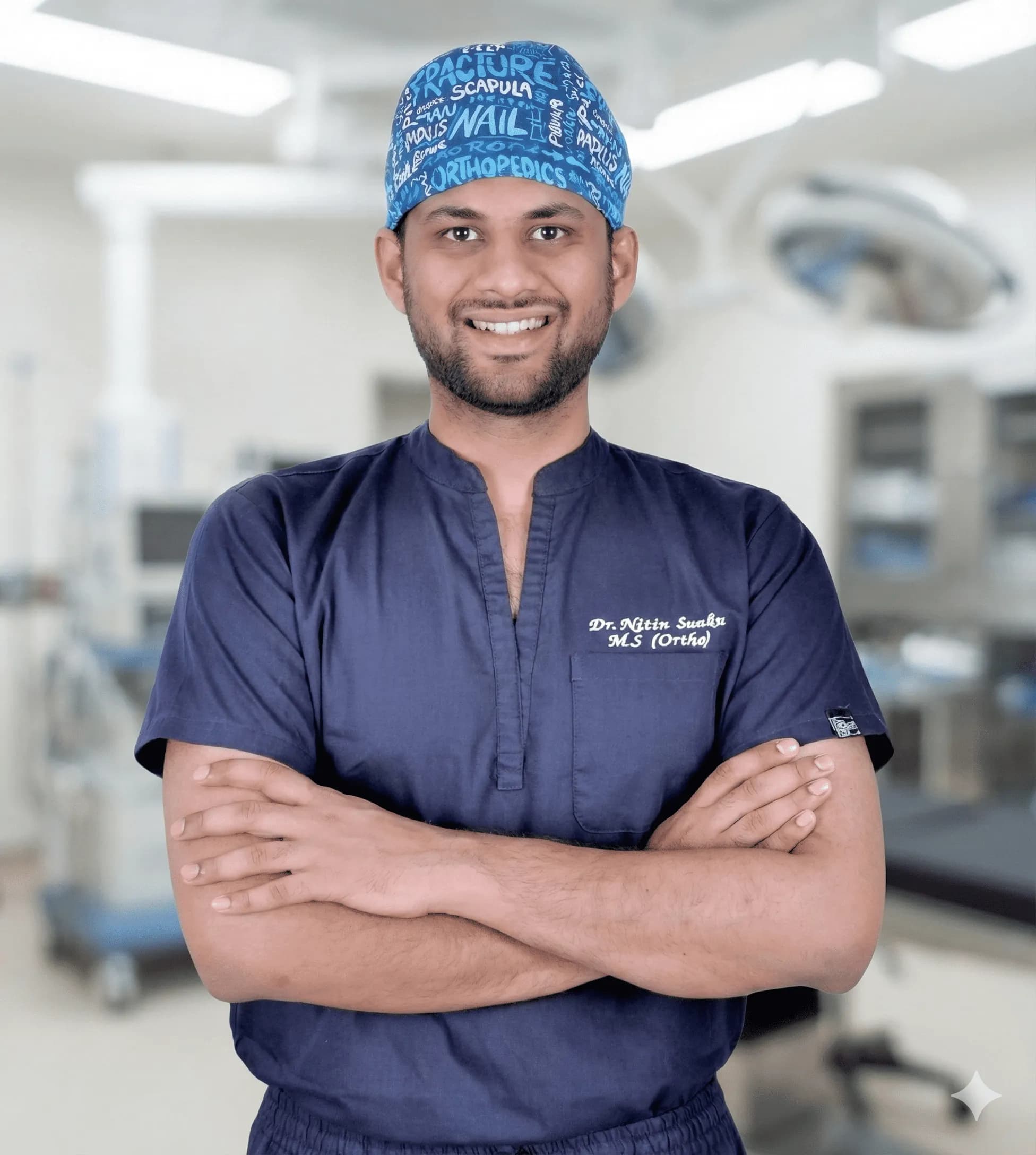
Dr. Nitin N Sunku
MBBS, MS (Orthopedics), Fellowship in Arthroscopy & Sports Medicine
Dr. Nitin N Sunku is a Consultant Orthopedic & Sports Medicine Surgeon with over 10 years of focused practice in Bengaluru. He serves as the Team Doctor for Bengaluru FC and consults at Raghava Multispeciality Hospital (Attibele) and Health Nest Hospital (HSR Layout). His clinical interests include arthroscopy, ligament & meniscus care, regenerative orthopedic medicine, ultrasound-guided injections, and joint replacement.
Experiencing symptoms?
Don't let pain hold you back. Schedule a comprehensive evaluation with Dr. Nitin today.
Book Appointment