This article is for general education and does not replace an in-person assessment, examination, or imaging. Everyone's injury pattern, medical history, and goals differ; use what you read here to prepare better questions for your doctor.
Dr. Nitin N Sunku is a consultant orthopedic and sports medicine surgeon. He sees patients at Raghava Multispeciality Hospital, Attibele, on Sarjapura–Attibele Road, and at Health Nest Hospital, HSR Layout, Bengaluru. If pain is rapidly worsening, you cannot bear weight, you develop numbness or weakness in a limb, or you have fever after an injury, seek urgent medical care. For non-emergency evaluation and individualised treatment options, book through the contact page.
Topics across this blog include knee ligament and meniscus problems, shoulder pain and instability, hip and knee arthritis, fracture recovery principles, spine symptoms when urgent causes have been excluded, running and tendon overuse issues, and what to expect from arthroscopy or joint replacement discussions. If you are comparing sources online, cross-check dates and always confirm advice with an in-person clinician.
A SLAP tear (Superior Labrum, Anterior to Posterior) is one of the most common reasons an active adult or athlete ends up needing shoulder arthroscopy. If you have just had surgery, or you are scheduled for one, the outcome of your procedure will depend far less on the surgery itself and far more on what you do (and avoid doing) in the weeks and months that follow. This guide walks you through a realistic, week-by-week SLAP tear shoulder surgery recovery timeline, along with clear do's and don'ts that most patients are never told in detail during a short clinic visit.
This article is written from a clinical, evidence-informed perspective and is meant to prepare you for the conversation with your own orthopedic surgeon, not replace it. If you are in Bengaluru and looking for a specialist opinion, you can read more about shoulder care and arthroscopic labrum repair or book a consultation directly.
What Is a SLAP Tear and Why Recovery Rules Matter
The labrum is a ring of soft cartilage that lines the shoulder socket (glenoid) and helps keep the ball of the shoulder joint stable. A SLAP tear happens when the top part of this labrum, where the biceps tendon attaches, tears away from the bone. This usually happens from a fall on an outstretched arm, repetitive overhead motion (throwing, swimming, racquet sports), heavy lifting, or gradual wear in people over 40.
Not every SLAP tear needs surgery. Type 1 tears (fraying without detachment) and many Type 2 tears often improve with rest, activity changes, and structured physiotherapy. Surgery is usually recommended when there is a confirmed Type 2, 3, or 4 tear on MRI, ongoing pain or a catching sensation that has not improved after 3 to 6 months of conservative treatment, or a tear combined with shoulder instability or a rotator cuff injury.
Recovery matters so much because the repaired labrum is held in place with tiny suture anchors, and it needs time to biologically reattach to the bone. Moving too early, too fast, or in the wrong direction can pull the repair apart before it has healed, which is why the do's and don'ts below are not just general advice, they are directly tied to how the tissue heals.
SLAP Tear Surgery Recovery Timeline: Week by Week
Every surgeon's protocol varies slightly depending on the size of the tear, the number of anchors used, and whether a biceps tenodesis or rotator cuff repair was done at the same time. The timeline below is a general, commonly used framework.
Days 0 to 3 (Immediate Post-Op)
You will likely go home the same day in a sling, sometimes with an ice therapy unit. Pain is usually managed with a nerve block that wears off within 12 to 24 hours, followed by prescribed oral medication. Hand, wrist, and elbow movement is encouraged from day one to keep circulation moving, but the shoulder itself stays still inside the sling.
Weeks 1 to 4 (Protected Phase)
The sling stays on almost all the time, including while sleeping, unless your surgeon says otherwise. Physiotherapy in this phase is passive or assisted only, meaning someone else, a machine, or your other arm moves the joint, not your own shoulder muscles. Pendulum exercises and gentle table slides are common starting points.
Weeks 4 to 8 (Early Active Phase)
The sling is usually reduced or discontinued around this point, depending on healing. Active-assisted and light active range-of-motion exercises begin. Simple daily tasks such as eating, brushing your hair, or typing become more comfortable, but lifting, reaching overhead unsupported, and any resistance work are still restricted.
Weeks 8 to 12 (Strengthening Begins)
Light resistance band work, isometric holds, and scapular stabilization exercises are introduced. Most patients regain a large part of their pain-free range of motion by the end of this phase, though strength is still well below normal.
Months 3 to 6 (Functional Return)
Progressive strengthening continues, and functional tasks like light pushing, pulling, and carrying are reintroduced gradually. Return to non-contact sport, swimming, or gym training is often considered between months 4 and 6, only with your surgeon's clearance.
Months 6 to 12 (Full Recovery and Return to Sport)
For overhead athletes, throwers, and manual laborers, full return to pre-injury level activity commonly takes anywhere from 6 to 12 months. The repaired tissue continues remodeling well past the point where pain has disappeared, which is exactly why patients are told to be patient even when they feel fine.
Do's After SLAP Tear Shoulder Surgery
- Do wear your sling exactly as instructed, including during sleep, until your surgeon clears you to stop. It protects the repair from involuntary movement.
- Do ice the shoulder regularly in the first two weeks, typically for 15 to 20 minutes at a time, with a cloth barrier between the ice pack and skin.
- Do attend every physiotherapy session and follow the home exercise program exactly as prescribed, even on days the shoulder feels fine.
- Do move your hand, wrist, and elbow frequently from day one to prevent stiffness and reduce swelling, even while the shoulder itself stays protected.
- Do sleep in a reclined position (a recliner chair or several pillows propping you up) for the first few weeks, since lying flat can pull uncomfortably on the healing shoulder.
- Do keep the incision clean and dry until your surgeon confirms it is safe to shower normally, and follow wound care instructions precisely.
- Do ask about pain control proactively. Staying ahead of pain with prescribed medication in the first few days makes early gentle movement much easier.
- Do maintain a healthy, protein-adequate diet. Tissue healing depends on nutrition, and adequate protein intake supports tendon and labral repair.
- Do keep your surgeon updated at each scheduled follow-up, usually around 2, 6, and 12 weeks, so the rehab plan can be adjusted to how you are actually healing.
- Do set realistic milestones. Understanding that full recovery can take 4 to 12 months helps you stay consistent instead of getting discouraged in month two.
Don'ts After SLAP Tear Shoulder Surgery
- Don't lift anything with the operated arm, including light bags, cups of water, or your phone, until your physiotherapist clears active lifting.
- Don't reach overhead, behind your back, or behind your head on your own in the early weeks. These positions place direct strain on the exact tissue that was repaired.
- Don't sleep on the operated shoulder. Body weight compresses the joint and can restrict blood flow to the healing labrum.
- Don't drive until your surgeon confirms you have enough control and pain-free motion, which is often several weeks out, longer if the surgery was on your dominant arm.
- Don't skip or rush physiotherapy sessions. Doing "extra" stretching on your own outside the prescribed plan is one of the most common causes of re-tear.
- Don't carry a bag on the operated shoulder, and avoid one-shoulder bags altogether for the first few months even once the sling is off.
- Don't return to gym training, swimming, or racquet sports just because pain has settled. Pain-free does not mean tissue-strong, and premature loading is a leading cause of surgical failure.
- Don't ignore new symptoms such as fever, increasing redness, drainage from the incision, or numbness in the hand. These need same-day medical attention, not a wait-and-see approach.
- Don't smoke or use nicotine products during the healing window, since nicotine measurably slows tendon and soft tissue healing.
- Don't compare your recovery timeline to someone else's. Tear size, number of anchors, age, and whether a biceps tenodesis was done all change the pace of healing.
Physical Therapy and Exercises After SLAP Repair
Physiotherapy is not optional after a SLAP repair, it is the single biggest factor separating a good outcome from a poor one. In general, therapy progresses through four broad stages:
- Passive motion phase (weeks 0 to 4): pendulum swings, passive elevation with therapist or cane assistance, and gentle scapular setting exercises.
- Active-assisted phase (weeks 4 to 8): table slides, wand exercises, and light active motion without resistance.
- Strengthening phase (weeks 8 to 12): resistance bands, isometric rotator cuff work, and scapular stabilization drills.
- Functional and sport-specific phase (month 3 onward): progressive loading, return-to-throw or return-to-lift programs, and sport-specific drills under supervision.
If you are also managing a rotator cuff injury alongside the labral tear, your rehab plan will be adjusted further. You can read a detailed breakdown in this related article on rotator cuff injury treatment for shoulder pain.
Sleeping Positions and Daily Life Adjustments
Sleep disruption is one of the most underrated challenges after shoulder surgery. Most patients find it easier to sleep semi-upright in a recliner or with three to four pillows arranged to keep the torso elevated and the arm supported, rather than lying flat in bed. A small pillow tucked under the elbow can prevent the arm from rolling backward during the night.
Signs of Complications: When to Call Your Surgeon
Most SLAP tear recoveries go smoothly, but you should contact your surgeon's clinic immediately if you notice any of the following:
- Bleeding that soaks through the dressing and does not stop with gentle pressure
- Pain that does not improve at all with prescribed medication
- Increasing swelling, redness, or warmth around the incision
- Numbness, tingling, or a change in color or temperature in the hand or fingers
- A fever above 101°F (38.3°C)
- Yellowish or foul-smelling discharge from the incision site
These symptoms can indicate infection, a blood clot, or nerve irritation, all of which need prompt evaluation rather than being managed at home.
How Long Until Full Recovery and Return to Sport
For most patients, normal daily activities such as driving, dressing, and light desk work return within 3 to 4 months. Return to recreational sport or manual labor generally falls between 5 and 8 months, and for competitive overhead athletes (throwers, swimmers, tennis or badminton players), a full return to pre-injury performance can take anywhere from 6 to 12 months. Overhead athletes and manual laborers typically take longer than desk workers or patients whose main goal is pain-free daily function.
Tips to Speed Up Recovery Safely
A few evidence-backed habits can genuinely support faster, more reliable healing without cutting corners on tissue protection:
- Stay consistent with your home exercise program even after formal physiotherapy sessions taper off
- Prioritize sleep quality, since deep sleep supports tissue repair
- Manage swelling early with ice and elevation rather than waiting for discomfort to build
- Keep your core and lower body active with approved exercises, since deconditioning elsewhere can slow your overall return to function
- Track your range of motion and strength milestones with your physiotherapist so plateaus are caught early
- Address any underlying issues such as poor posture or scapular weakness, since these often contributed to the original injury
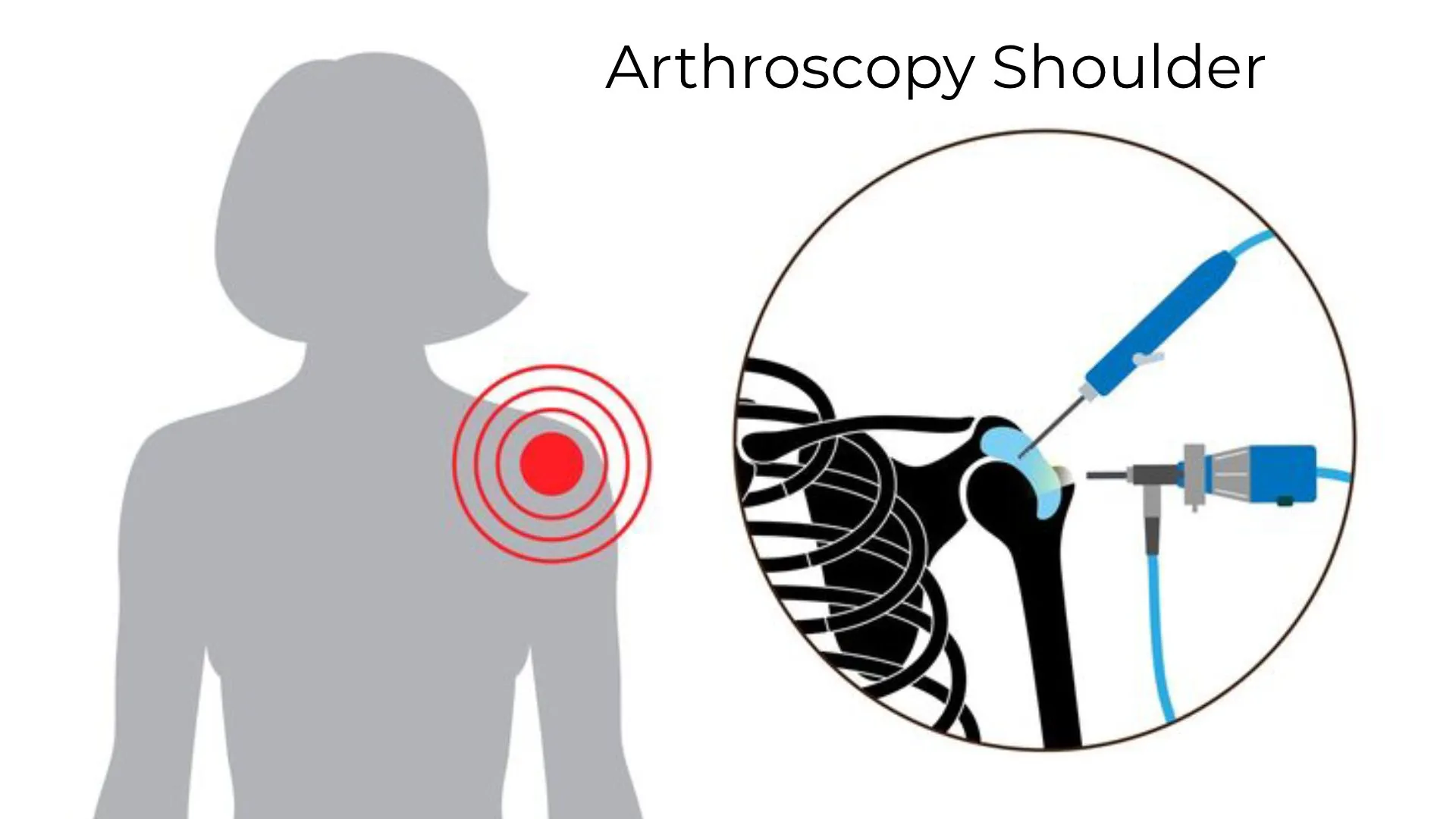
If your recovery plan also involves a broader look at shoulder mechanics, this overview of shoulder arthroscopy and what the procedure actually involves may help clarify what to expect at each follow-up visit.
Frequently Asked Questions
How long does it take to fully recover from SLAP tear surgery?
Most patients regain daily function within 3 to 4 months, while full return to sport or heavy labor typically takes 6 to 12 months, depending on tear severity, age, and adherence to physiotherapy.
Can a SLAP tear heal without surgery?
Yes, Type 1 tears and many Type 2 tears can improve with rest, activity modification, and structured physical therapy over 3 to 6 months. Surgery is usually reserved for tears that do not respond to conservative treatment or involve significant instability.
When can I drive after SLAP tear surgery?
Most surgeons clear patients to drive somewhere between 4 and 6 weeks after surgery, once the sling is discontinued and you have adequate pain-free control of the arm. This can be longer if the surgery was on your dominant arm.
Is it normal to still have pain 3 months after SLAP repair?
Mild residual soreness with activity is common at 3 months since tissue remodeling continues well beyond this point. However, sharp pain, new catching sensations, or worsening symptoms should be discussed with your surgeon rather than assumed to be normal.
What should I avoid sleeping position wise after shoulder surgery?
Avoid sleeping flat on your back with the arm unsupported and avoid lying on the operated shoulder. A reclined position with pillow support under the elbow is generally more comfortable and safer for the healing repair.
How soon can I go back to the gym after a SLAP repair?
Light lower-body and core work can often resume earlier with surgeon approval, but upper-body strength training, especially overhead lifts, is usually restricted until at least 3 to 4 months post-surgery, and often longer for heavy lifting.
What is the success rate of SLAP tear surgery?
Published outcomes generally report success rates between 70 and 95 percent for arthroscopic labral repair, though outcomes vary by tear type, patient age, and activity demands.
Final Thoughts
A SLAP tear shoulder surgery recovery is a marathon, not a sprint. The surgery itself is often the easier part; the discipline required in the weeks and months that follow is what actually determines your final strength, motion, and ability to return to the sport or work you care about. Following your surgeon's specific protocol, respecting the do's and don'ts above, and staying consistent with physiotherapy gives the repaired labrum the best possible chance to heal fully.
If you are dealing with shoulder pain, a suspected labral tear, or you are preparing for surgery and want a clear, personalized recovery plan, you can learn more about sports medicine and shoulder injury care or book a consultation with Dr. Nitin N Sunku at Attibele or HSR Layout, Bengaluru.
This article is for general educational purposes and does not replace a personalized medical evaluation. Please consult your orthopedic surgeon or physiotherapist before starting or changing any post-surgical exercise routine.
Further reading: SLAP Tear – UCSF Health
About the Author
Dr. Nitin N Sunku
MBBS, MS (Orthopedics), Fellowship in Arthroscopy & Sports Medicine
Dr. Nitin N Sunku is a Consultant Orthopedic & Sports Medicine Surgeon with over 10 years of focused practice in Bengaluru. He serves as the Team Doctor for Bengaluru FC and consults at Raghava Multispeciality Hospital (Attibele) and Health Nest Hospital (HSR Layout). His clinical interests include arthroscopy, ligament & meniscus care, regenerative orthopedic medicine, ultrasound-guided injections, and joint replacement.
Experiencing symptoms?
Don't let pain hold you back. Schedule a comprehensive evaluation with Dr. Nitin today.
Book Appointment