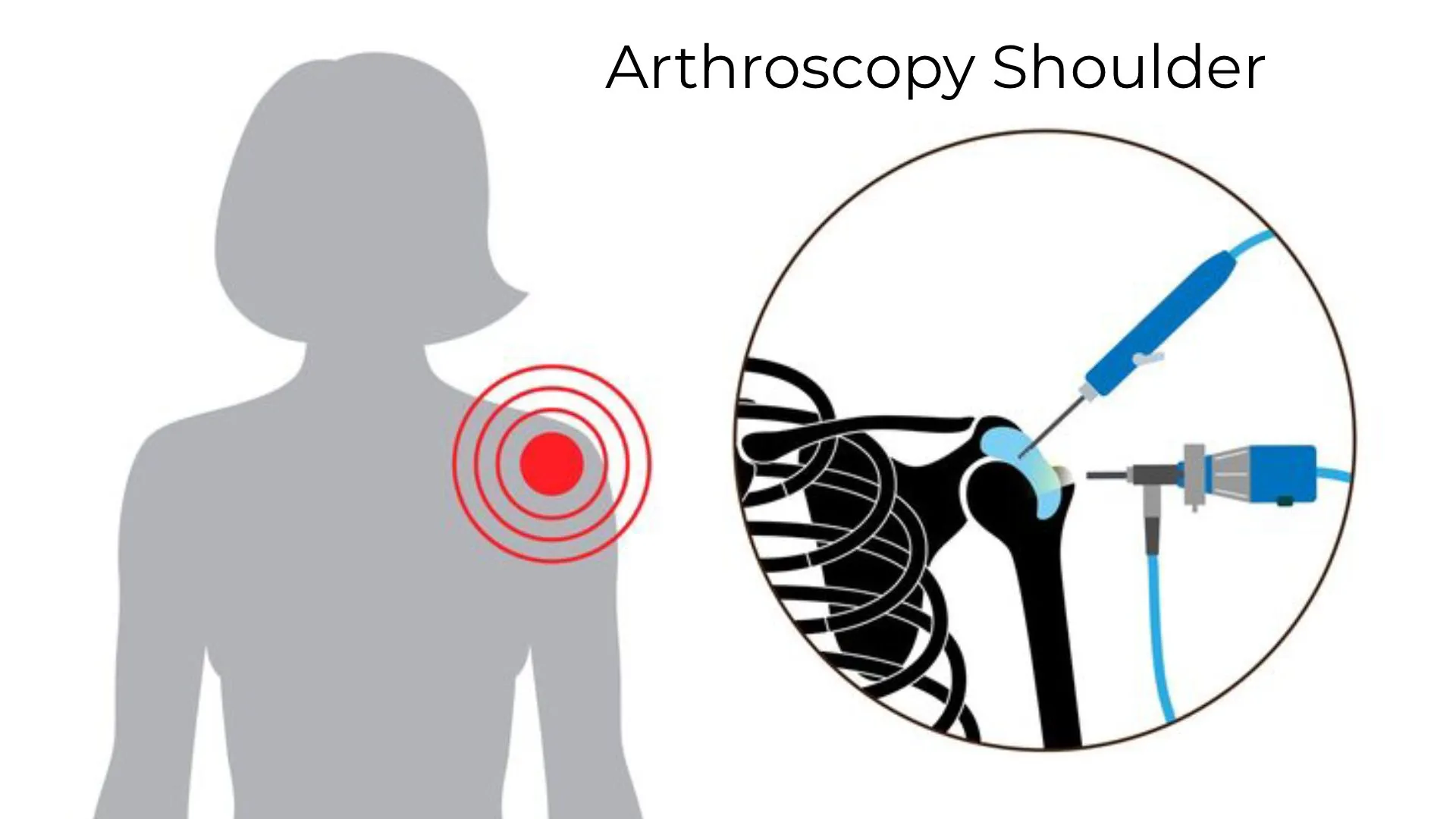
This article is for general education and does not replace an in-person assessment, examination, or imaging. Everyone's injury pattern, medical history, and goals differ; use what you read here to prepare better questions for your doctor.
Dr. Nitin N Sunku is a consultant orthopedic and sports medicine surgeon. He sees patients at Raghava Multispeciality Hospital, Attibele, on Sarjapura–Attibele Road, and at Health Nest Hospital, HSR Layout, Bengaluru. If pain is rapidly worsening, you cannot bear weight, you develop numbness or weakness in a limb, or you have fever after an injury, seek urgent medical care. For non-emergency evaluation and individualised treatment options, book through the contact page.
Topics across this blog include knee ligament and meniscus problems, shoulder pain and instability, hip and knee arthritis, fracture recovery principles, spine symptoms when urgent causes have been excluded, running and tendon overuse issues, and what to expect from arthroscopy or joint replacement discussions. If you are comparing sources online, cross-check dates and always confirm advice with an in-person clinician.
A Bengaluru orthopedic surgeon explains how frozen shoulder is treated without surgery — physiotherapy, injections, hydrodilatation and realistic recovery timelines.
Frozen shoulder — medically called adhesive capsulitis — is a condition where the capsule around the shoulder joint becomes inflamed, thickened and tight, leading to months of pain and a slowly shrinking range of motion. The good news, and the part most patients don't hear early enough, is this: the great majority of frozen shoulders — well over 90% — resolve without surgery. The frustrating part is the timeline. Most cases run their full course over 12 to 24 months, and there is no injection or pill that "turns it off" overnight. What proper non-surgical care does is shorten the painful phase, protect your range of motion, and get you back to daily life sooner than you would on your own.
This guide explains, in plain language, how a structured programme of frozen shoulder treatment without surgery in India actually works in 2026 — what physiotherapy can and cannot do, where injections fit in, what hydrodilatation is, and how diabetes changes the equation. Dr. Nitin N Sunku treats shoulder stiffness, tendon pain and post-injury frozen shoulders at Raghava Multispeciality Hospital, Attibele and Health Nest Hospital, HSR Layout, using a conservative-first approach. If you are tired of being told to "just wait it out," there is a more active plan, and it does not start with the operation theatre.
What frozen shoulder actually is
The shoulder joint is wrapped in a soft sleeve called the capsule. In adhesive capsulitis, this capsule becomes inflamed, then progressively thickens and contracts — almost as if the joint is being shrink-wrapped from the inside. Doctors classically describe three overlapping phases. The freezing phase (roughly 2–9 months) is the painful one: a deep, nagging ache that disturbs sleep and makes reaching for a seatbelt or back pocket sharply painful. The frozen phase (around 4–12 months) is when pain begins to settle but stiffness dominates — you simply cannot lift the arm sideways or rotate it outward. The thawing phase (12–24+ months) is the slow return of motion as the capsule gradually loosens. Recognising which phase you are in matters, because the treatment that works best in the freezing phase is different from what helps during thawing.
Who gets frozen shoulder?
- Adults between 40 and 60 years of age (it is uncommon before 40)
- Women more often than men
- Diabetics — the risk is roughly 3 to 5 times higher, and the course tends to be longer and stiffer
- Thyroid disease (both hypo- and hyperthyroidism)
- Recent shoulder immobilisation — after a fracture, stroke, mastectomy, or any prolonged period of not moving the arm
- A previous frozen shoulder on the other side — raises the risk on this side too
- Parkinson's disease and some cardiac conditions
How frozen shoulder is diagnosed
Frozen shoulder is, first and foremost, a clinical diagnosis. The defining sign is a loss of both passive and active external rotation — when the doctor tries to rotate your arm outward while you relax, it still won't go. That single finding distinguishes it from most other shoulder problems. X-rays are usually normal but help rule out arthritis. An MRI or ultrasound is added only if there is a need to exclude a rotator cuff tear or another structural problem — you can read more in the existing Rotator Cuff Injury article on this site, which covers how tears are picked up on imaging and how they differ from a true frozen shoulder.
Non-surgical frozen shoulder treatment that works
The plan below is what a typical evidence-based programme looks like. Most patients combine 2 or 3 of these elements; very few need all of them, and almost none need surgery.
Structured physiotherapy
Physiotherapy is the backbone. The goal is capsular stretching and graded mobilisation — gently coaxing the tight capsule to lengthen without flaring up the inflammation. A good programme also addresses posture, scapular control, and the small muscles around the shoulder blade that quietly weaken during months of guarding the arm. Expect a minimum of 8 to 12 weeks of consistent practice, ideally 1–2 supervised sessions a week paired with daily home exercises. Aggressive, painful stretching early in the freezing phase usually backfires — the joint becomes more inflamed, not freer.
Intra-articular steroid injection
A single image-guided steroid injection placed directly into the joint is the most effective short-term intervention during the painful freezing phase. The evidence is strongest in the first 3–6 months: it reliably reduces night pain, allows you to actually sleep, and creates the window in which physiotherapy can start to work. Image guidance (ultrasound or fluoroscopy) ensures the medication reaches the joint rather than the soft tissue around it — precision matters, and this is covered in more depth in the Shoulder Pain Injections: Precision Non-Surgical Care article on the site.
Hydrodilatation (hydrodistension)
Hydrodilatation is one of the most useful tools for resistant cases. Under ultrasound guidance, a relatively large volume of sterile saline is injected into the joint along with a steroid and local anaesthetic. The fluid pressure mechanically stretches the contracted capsule from the inside — in effect, a controlled, gentle "capsular release without surgery." It is particularly valuable for patients stuck in the frozen phase who have plateaued on physiotherapy and a standard steroid shot. Recovery is immediate; physiotherapy is resumed within a day or two to lock in the gain.
Suprascapular nerve block
When intra-articular injections are not tolerated, or pain is severely limiting sleep, a suprascapular nerve block can quiet the main sensory nerve to the shoulder for several weeks. It is useful as a pain-control bridge that lets physiotherapy continue.
NSAIDs and pain management
Short courses of anti-inflammatory tablets help during the freezing phase, especially at night. They are a comfort measure, not a cure, and are not meant to be taken for months. Patients with kidney disease, ulcers or cardiac issues are reviewed individually before any prescription.
Diabetes control — the part that's often missed
If you have diabetes, your HbA1c matters as much as your physiotherapy. Poorly controlled blood sugar (HbA1c above roughly 8) is strongly associated with stiffer, longer, more painful frozen shoulders and a weaker response to injections. Tightening glycaemic control over 8–12 weeks, alongside the orthopedic plan, genuinely changes the trajectory of recovery. This is something discussed openly at the first visit.
Home exercises
Daily home work is non-negotiable. A simple, gentle routine done twice a day beats an aggressive session done twice a week. The core set:
- Pendulum swings — lean forward, let the arm dangle, and let gravity swing it in small circles
- Towel stretch — hold a towel behind your back with both hands and gently pull the affected arm upward
- Wall walks — "walk" your fingers up a wall to slowly regain overhead reach
- External rotation with a stick — hold a stick in both hands, elbows tucked, push the affected arm outward using the good arm
- Cross-body stretch — pull the affected arm gently across the chest with the opposite hand
Each stretch should feel like a firm pull, never sharp pain. Pain that lingers more than 30 minutes after exercise means you pushed too hard.
Realistic recovery timeline
- Months 1–3 — The focus is pain control, sleep, and gentle range of motion. This is usually when an image-guided steroid injection is most useful. Daily home exercises begin.
- Months 3–6 — Active stretching ramps up. Reaching overhead and behind the back becomes easier. Many daily activities — combing hair, fastening a bra, reaching the back seat of the car — start feeling possible again.
- Months 6–12 — The majority of patients see substantial improvement in pain and a meaningful return of motion. Some will be functionally normal by month 9; others will still be working on the last 20 to 30 degrees of rotation.
- Months 12–18 — Residual stiffness is common but usually not disabling. Most patients can do everything they need to do, even if the very end-range of motion is not quite symmetric with the other side. For many, this is an entirely acceptable endpoint.
When to consider surgery (and why most patients won't need it)
Surgery — either manipulation under anaesthesia or an arthroscopic capsular release — is reserved for the small subset of patients who have plateaued with significant functional disability after 9 to 12 months of properly delivered conservative care, especially those whose work or daily function genuinely depends on full overhead or rotational range (overhead athletes, certain manual trades, tailors, surgeons). It is a good operation in the right hands, but it is not a shortcut around the rehabilitation work — the post-operative physiotherapy programme is intensive, and patients who skipped the basics before surgery rarely do well after it.
Frozen shoulder treatment without surgery in India: typical cost
Non-surgical care is meaningfully cheaper than surgery. In Bengaluru and most Tier-1 Indian cities in 2026, expect a structured physiotherapy package at roughly ₹500–₹1,500 per session, an image-guided intra-articular steroid injection at ₹3,000–₹8,000, and a hydrodilatation procedure at ₹6,000–₹15,000 depending on guidance modality and facility. Arthroscopic capsular release, by contrast, runs into lakhs once theatre, anaesthesia and admission are included. Most health insurance policies cover image-guided injections and hydrodilatation when documented as part of an orthopedic treatment plan — the clinic team helps with pre-authorisation paperwork where applicable.
Book a frozen shoulder consultation in Attibele or HSR Layout
If you have been struggling with shoulder pain and stiffness for more than 6 weeks, an in-person assessment will tell you exactly which phase you are in and which interventions will actually move the needle. Dr. Nitin N Sunku consults at Raghava Multispeciality Hospital, Attibele — call +91-9980031006 — and at Health Nest Hospital, HSR Layout — call +91-9449031003. Bring any prior X-ray, MRI or ultrasound reports along with a list of your current medicines and your most recent HbA1c if you are diabetic.
Frequently Asked Questions
How long does frozen shoulder last?
The natural course is typically 12 to 24 months from start to near-full recovery, though properly delivered non-surgical treatment can meaningfully shorten the painful phase and speed return of motion. Diabetics and patients who delay treatment tend to fall at the longer end of that range.
Can frozen shoulder heal on its own?
Yes, the majority of frozen shoulders eventually resolve on their own, which is why surgery is so rarely needed. But "eventually" can mean two years of disturbed sleep and limited use of the arm — structured treatment shortens that timeline and reduces residual stiffness.
What is the best exercise for frozen shoulder?
No single exercise is "best" — the most effective routine combines pendulum swings, towel stretches, wall walks and external rotation with a stick, done gently twice a day. Consistency over weeks matters far more than intensity in any one session.
Do steroid injections always work for frozen shoulder?
No, but they work for most patients when given in the painful freezing phase under image guidance. Roughly 70–80% of well-selected patients get useful pain relief lasting weeks to months, which creates the window for physiotherapy to do its work; some need a second injection or progression to hydrodilatation.
Will I get frozen shoulder in the other shoulder?
Around 1 in 5 to 1 in 4 patients develop it in the opposite shoulder, usually within a few years of the first episode. The same shoulder rarely freezes again once it has fully recovered.
Does diabetes affect frozen shoulder recovery?
Yes, significantly. Diabetics tend to have a stiffer, longer course and a less complete response to injections, particularly when HbA1c is poorly controlled. Tightening blood sugar control alongside the orthopedic programme genuinely improves outcomes.
When is surgery needed for frozen shoulder?
Surgery is considered only after 9 to 12 months of properly delivered non-surgical treatment have failed to restore acceptable function, and the residual stiffness is genuinely disabling. For most patients, that point is never reached.
About the Author
Dr. Nitin N Sunku
MBBS, MS (Orthopedics), Fellowship in Arthroscopy & Sports Medicine
Dr. Nitin N Sunku is a Consultant Orthopedic & Sports Medicine Surgeon with over 10 years of focused practice in Bengaluru. He serves as the Team Doctor for Bengaluru FC and consults at Raghava Multispeciality Hospital (Attibele) and Health Nest Hospital (HSR Layout). His clinical interests include arthroscopy, ligament & meniscus care, regenerative orthopedic medicine, ultrasound-guided injections, and joint replacement.
Experiencing symptoms?
Don't let pain hold you back. Schedule a comprehensive evaluation with Dr. Nitin today.
Book Appointment