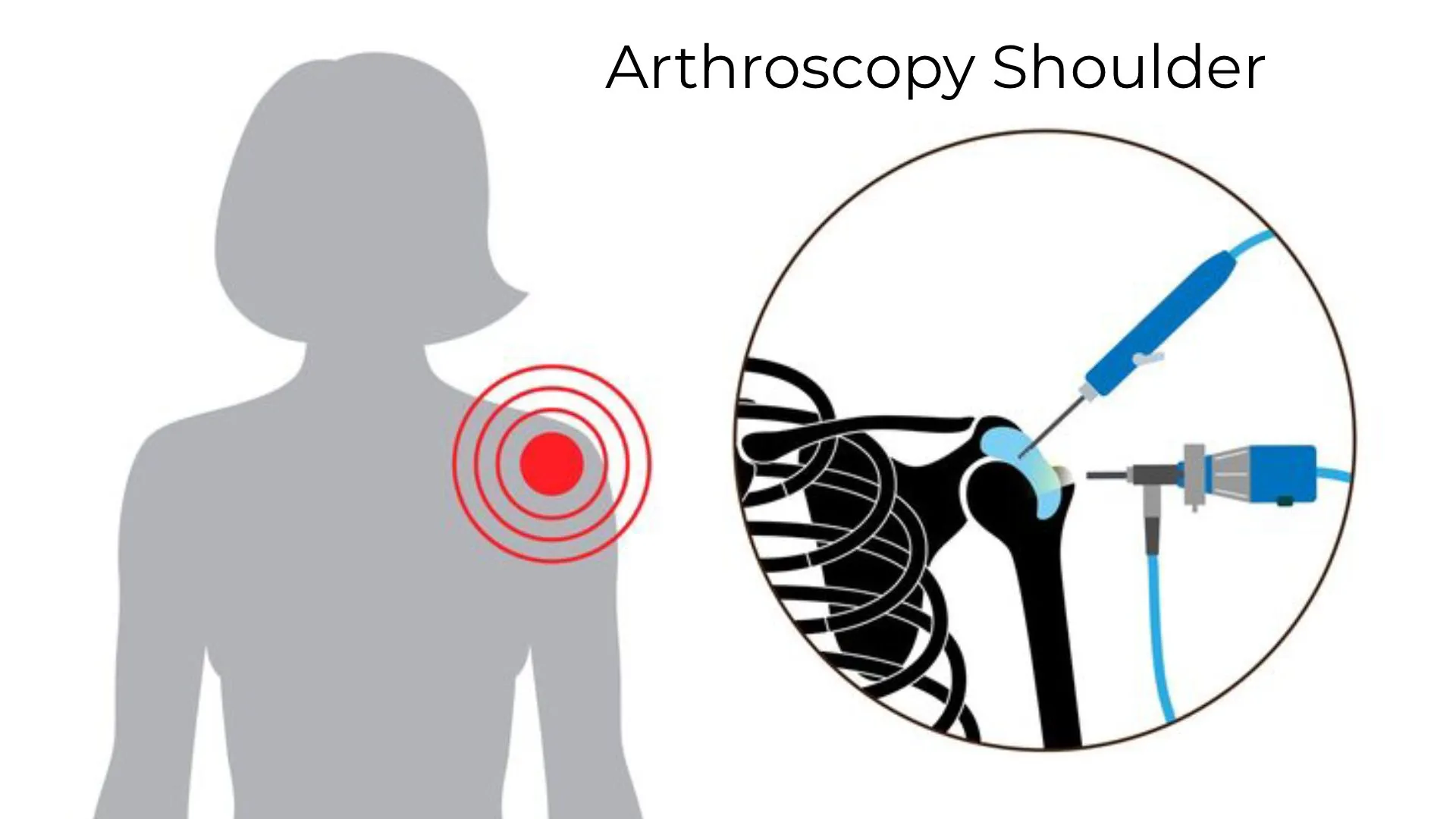
This article is for general education and does not replace an in-person assessment, examination, or imaging. Everyone's injury pattern, medical history, and goals differ; use what you read here to prepare better questions for your doctor.
Dr. Nitin N Sunku is a consultant orthopedic and sports medicine surgeon. He sees patients at Raghava Multispeciality Hospital, Attibele, on Sarjapura–Attibele Road, and at Health Nest Hospital, HSR Layout, Bengaluru. If pain is rapidly worsening, you cannot bear weight, you develop numbness or weakness in a limb, or you have fever after an injury, seek urgent medical care. For non-emergency evaluation and individualised treatment options, book through the contact page.
Topics across this blog include knee ligament and meniscus problems, shoulder pain and instability, hip and knee arthritis, fracture recovery principles, spine symptoms when urgent causes have been excluded, running and tendon overuse issues, and what to expect from arthroscopy or joint replacement discussions. If you are comparing sources online, cross-check dates and always confirm advice with an in-person clinician.
Shoulder dislocation treatment in India explained by Dr. Nitin N Sunku — when rehab works, when Bankart or Latarjet surgery is needed, costs, recovery.
The shoulder came out during a rugby tackle, a gym lift gone wrong, or an awkward fall on an outstretched arm. You went to the emergency room, someone pulled the arm back into place, and within a few minutes the agonising pain settled. Now you are sitting at home in a sling, wondering whether this was a freak event you can forget about, or the start of a problem that will keep coming back every time you reach overhead.
This is one of the most common consultations in the clinic. As a sports medicine surgeon and team doctor for Bengaluru FC, Dr. Nitin sees shoulder dislocations almost every week — in young footballers, weekend cricketers, climbers, gym-goers and older patients who slipped in the bathroom. The honest answer about shoulder dislocation treatment in India is that it depends entirely on who you are, how old you are, what you do, and what the MRI shows. Some patients never need surgery. Others will dislocate again within months if the labrum is not repaired. This article walks through how that decision is made at the Attibele and HSR Layout clinics.
What shoulder dislocation actually is
The shoulder is a ball-and-socket joint, but the socket (the glenoid) is shallow — about the size of a golf tee holding a golf ball. That is what gives the shoulder its huge range of motion, but it is also why it dislocates more easily than any other joint in the body. In a dislocation, the ball (the humeral head) pops completely out of the socket. About 95% of dislocations are anterior, where the ball moves forward and down. Posterior dislocations are less common and often missed, and inferior dislocations (luxatio erecta, where the arm gets stuck pointing up) are rare.
Causes and risk factors
- Contact sports — rugby, football, kabaddi, wrestling, hockey
- Falls on an outstretched hand, particularly in older patients
- Road traffic accidents, especially two-wheeler crashes
- Generalised joint hyperlaxity (some people are simply “loose-jointed”)
- Repeated minor subluxations in overhead athletes — swimmers, throwers, climbers
- Gym injuries, particularly heavy bench press and overhead press with poor form
Initial treatment after dislocation
The first job is to get the ball back into the socket, ideally within an hour or two. This is done in the emergency room with sedation and gentle traction — you do not need surgery for this part. After reduction, an X-ray confirms the joint is properly located and rules out a fracture of the glenoid rim or the greater tuberosity. You go home in a sling for one to three weeks, and an MRI is booked to look at the labrum, the rotator cuff, the capsule, and to measure any Hill-Sachs dent on the back of the humeral head or any bone loss on the front of the glenoid. The MRI is what drives the decision about what comes next.
Conservative treatment (immobilisation + rehab)
Not every dislocated shoulder needs surgery. If you are over about 40, this is your first dislocation, you have a low-demand job, the MRI shows no significant labral tear and no bone loss, conservative treatment works well. The protocol is a sling for two to three weeks followed by a structured physiotherapy programme over eight to twelve weeks — restoring range of motion first, then rotator cuff strengthening, then scapular control. Many of these patients never dislocate again. The principles overlap with the Sports Medicine service approach.
Why recurrent dislocation is a problem
- Each dislocation chips a small amount of bone off the front of the glenoid (a bony Bankart lesion) and dents the back of the humeral head (a Hill-Sachs lesion)
- Hill-Sachs lesions can become “engaging” — meaning the dent catches on the rim of the socket every time you raise the arm
- The shoulder capsule stretches out, so the joint feels permanently loose
- The labrum (the rim of cartilage that deepens the socket) tears further with each event
- Untreated chronic instability accelerates wear and tear, leading to early arthritis
- Statistically, each subsequent dislocation makes the next one more likely — the shoulder is teaching itself to come out
When is surgery recommended?
- Patients under 25 with a first-time dislocation — recurrence rates are 70–90% without surgery
- Two or more dislocations on the same shoulder
- Contact or collision athletes, and overhead athletes (cricketers, swimmers, throwers)
- Significant bony Bankart lesion or Hill-Sachs lesion on imaging
- Pseudoparalysis, weakness, or progressive instability with everyday activities
- Engaging Hill-Sachs or off-track lesions seen on dynamic imaging
- Failed structured rehabilitation after a first dislocation
Surgical options for shoulder instability
Arthroscopic Bankart repair
The workhorse operation for recurrent dislocation. Through three or four small keyhole portals, the torn labrum is reattached onto the glenoid rim using suture anchors. Day care, sling for four weeks, back to most desk jobs in two weeks. Suitable for the majority of patients with soft-tissue Bankart lesions and minimal bone loss. The companion Shoulder Arthroscopy Surgery in India post covers the keyhole technique in detail.
Open Bankart repair
Reserved for selected cases with significant bone loss or revision after a failed arthroscopic repair. Slightly larger scar but allows direct handling of bony fragments.
Latarjet procedure (coracoid transfer)
For patients with significant glenoid bone loss (typically more than 20%) or revision cases, a piece of the coracoid bone, with its attached conjoint tendon, is transferred onto the front of the glenoid. This creates a bony block that prevents the shoulder from coming out and the sling effect of the transferred tendon adds dynamic stability. Very low recurrence rates in the right patient.
Remplissage
An add-on procedure when there is a large engaging Hill-Sachs lesion. The dent on the back of the humeral head is filled with a portion of the infraspinatus tendon and capsule, converting an engaging lesion into a non-engaging one. Usually combined with arthroscopic Bankart repair.
Shoulder dislocation treatment cost in India
- Initial ER reduction + sling: ₹5,000 – ₹15,000
- MRI shoulder: ₹5,000 – ₹9,000
- Arthroscopic Bankart repair: ₹2,00,000 – ₹3,80,000
- Open Bankart repair: ₹1,80,000 – ₹3,50,000
- Latarjet procedure: ₹2,50,000 – ₹4,50,000
- Combined Bankart + Remplissage: ₹2,50,000 – ₹4,50,000
The range reflects hospital category, implant brand (number of suture anchors), surgeon fees and room class. These costs are in a similar bracket to the procedures in the Rotator Cuff Surgery Cost in India guide, and most corporate insurance plans cover the inpatient component.
Recovery and return to sport
- Week 0–6: sling, passive range-of-motion exercises only
- Week 6–12: active range of motion, light isometric strengthening
- Months 3–6: progressive resistance and sport-specific drills
- Months 4–6: return to non-contact sport — running, cycling, light gym
- Months 6–9: return to contact or overhead sport with full clearance
Return-to-play decisions in athletes are made together with the physiotherapist and, where relevant, the team trainer — not by the calendar alone.
Risks and outcomes
The published numbers for arthroscopic Bankart repair show 85–95% of patients remain dislocation-free at five years. Latarjet has even lower recurrence rates — under 5% in most series — which is why it is used for high-risk patients with bone loss. Risks include post-operative stiffness (which usually responds to physiotherapy), infection (well under 1% in clean arthroscopic surgery), nerve injury (rare, mostly transient axillary nerve irritation), and persistent apprehension — the feeling that the shoulder might come out even when it does not. Choosing the right operation for the right patient is what minimises all of these. The principles overlap with the discussion in the Rotator Cuff Injury and broader Shoulder Arthroscopy Surgery articles.
Book a shoulder consultation in Attibele or HSR Layout
If your shoulder has dislocated once and you want an honest assessment of recurrence risk — or if it has dislocated multiple times and you want to know whether Bankart or Latarjet is the right operation for you — book a consultation. Bring your X-rays and MRI if you have them.
- Raghava Multispeciality Hospital, Attibele — +91-9980031006
- Health Nest Hospital, HSR Layout — +91-9449031003
Frequently Asked Questions
Do I need surgery after my first shoulder dislocation?
Not always. If you are over 40, it was a first event, you have a desk job, and the MRI shows no labral tear or bone loss, structured physiotherapy is reasonable. If you are under 25 or play contact sport, the recurrence rate without surgery is 70–90%, and early stabilisation is usually the better choice.
How long do I have to wear the sling?
After a first-time dislocation treated conservatively, two to three weeks. After arthroscopic Bankart repair, typically four weeks with the arm in slight external rotation. The sling is for protection, not strength — we start gentle passive motion almost immediately.
Will my shoulder dislocate again?
Without surgery, recurrence in a patient under 25 is 70–90%. After a well-done arthroscopic Bankart repair in the right patient, it drops to under 10–15% at five years. After Latarjet, under 5%. The right operation makes a real difference.
Bankart repair or Latarjet — which is better?
Neither is universally better. Bankart is less invasive and preserves native anatomy — ideal when bone loss is minimal. Latarjet is more durable in patients with significant glenoid bone loss, engaging Hill-Sachs lesions, contact athletes, or revision cases. The MRI and a CT with 3D reconstruction tell us which one you need.
When can I get back to the gym?
Light lower-body and core work at six weeks. Pushing and pulling with the operated shoulder from three months onward, progressively. Heavy bench press and overhead press at four to six months. Avoid behind-the-neck pressing and wide-grip dips long-term — they are high-risk positions for instability.
Will insurance cover shoulder dislocation surgery?
Yes — most corporate and retail mediclaim policies cover Bankart and Latarjet procedures as inpatient surgery. Pre-authorisation is usually approved within 24–48 hours when supported by imaging and a documented history of instability. The team handles the paperwork.
Can I drive after a shoulder dislocation?
Not while you are in the sling. After conservative treatment, most patients drive again at three to four weeks. After Bankart repair, four to six weeks for an automatic and six to eight weeks for a manual gearbox. The safety test is being able to make an emergency manoeuvre without pain or hesitation.
About the Author
Dr. Nitin N Sunku
MBBS, MS (Orthopedics), Fellowship in Arthroscopy & Sports Medicine
Dr. Nitin N Sunku is a Consultant Orthopedic & Sports Medicine Surgeon with over 10 years of focused practice in Bengaluru. He serves as the Team Doctor for Bengaluru FC and consults at Raghava Multispeciality Hospital (Attibele) and Health Nest Hospital (HSR Layout). His clinical interests include arthroscopy, ligament & meniscus care, regenerative orthopedic medicine, ultrasound-guided injections, and joint replacement.
Experiencing symptoms?
Don't let pain hold you back. Schedule a comprehensive evaluation with Dr. Nitin today.
Book Appointment