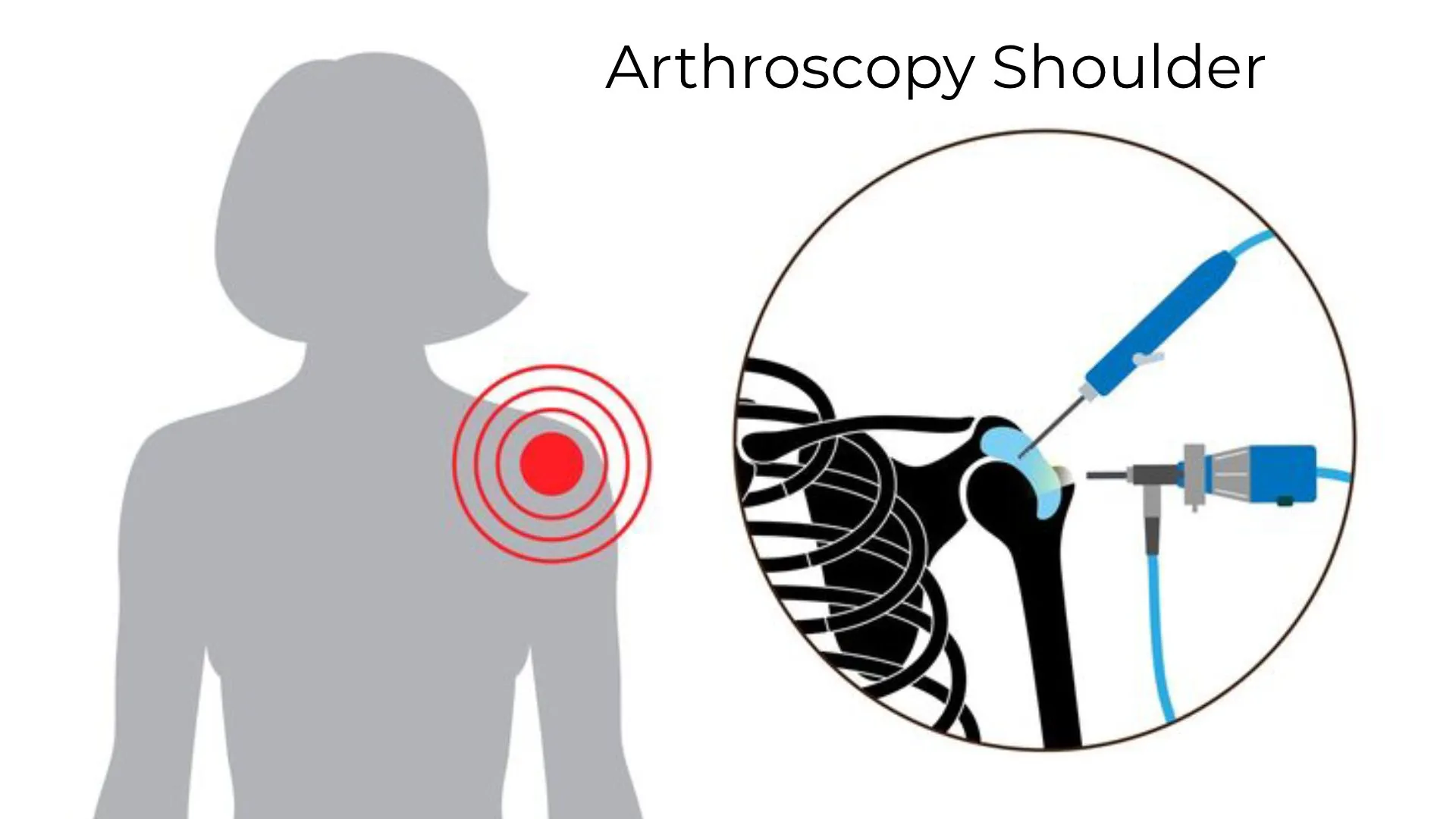
This article is for general education and does not replace an in-person assessment, examination, or imaging. Everyone's injury pattern, medical history, and goals differ; use what you read here to prepare better questions for your doctor.
Dr. Nitin N Sunku is a consultant orthopedic and sports medicine surgeon. He sees patients at Raghava Multispeciality Hospital, Attibele, on Sarjapura–Attibele Road, and at Health Nest Hospital, HSR Layout, Bengaluru. If pain is rapidly worsening, you cannot bear weight, you develop numbness or weakness in a limb, or you have fever after an injury, seek urgent medical care. For non-emergency evaluation and individualised treatment options, book through the contact page.
Topics across this blog include knee ligament and meniscus problems, shoulder pain and instability, hip and knee arthritis, fracture recovery principles, spine symptoms when urgent causes have been excluded, running and tendon overuse issues, and what to expect from arthroscopy or joint replacement discussions. If you are comparing sources online, cross-check dates and always confirm advice with an in-person clinician.
Realistic 2026 price ranges for arthroscopic rotator cuff repair in India, what drives cost, which tears truly need surgery, and recovery timelines.
Your shoulder has been hurting for weeks — maybe months. It started as a dull ache after lifting something heavy or reaching overhead, and now it wakes you at night every time you roll onto that side. You cannot lift your arm to comb your hair without wincing. The MRI report has finally landed on your phone, and there it is in print: a rotator cuff tear. The next question is almost always about the rotator cuff surgery cost in India — and whether you actually need surgery at all.
Here is the honest answer most patients do not hear: not every rotator cuff tear needs to go to the operating theatre. Small partial-thickness tears, especially in patients over 65 with modest demands, often settle beautifully with focused physiotherapy and a well-placed injection. But a full-thickness tear in a 52-year-old who still plays tennis, or an acute traumatic tear that has knocked out your ability to lift the arm at all, is a very different conversation. At Dr. Nitin N Sunku's shoulder practice in Attibele and HSR Layout Bengaluru, the first job is to work out which camp your tear falls into — and only then to talk about price.
Rotator cuff surgery cost in India: the realistic range
In a private corporate or mid-tier hospital in Bengaluru, the all-inclusive arthroscopic rotator cuff surgery cost in India usually falls in these bands:
- Single-tendon arthroscopic rotator cuff repair: ₹1,80,000 – ₹3,50,000
- Massive / multi-tendon repair: ₹2,50,000 – ₹4,50,000
- Double-row arthroscopic repair: ₹2,80,000 – ₹4,80,000
- Rotator cuff repair + biceps tenodesis: ₹2,80,000 – ₹5,00,000
- Superior capsular reconstruction (for irreparable tears): ₹3,50,000 – ₹5,50,000
These figures are indicative for Bengaluru in 2026 and assume an arthroscopic approach with branded suture anchors, a single overnight stay, and a standard private room. Quotes from your own hospital should always be confirmed in writing before you commit.
What drives the cost up or down
- Number of anchors used: a small tear may need one or two anchors; a large U-shaped tear can need four to six. Each anchor adds ₹15,000 – ₹35,000.
- Suture material and anchor brand: all-suture anchors, knotless designs, and premium global brands cost more than basic PEEK anchors.
- Arthroscopic vs mini-open: pure arthroscopic repair costs slightly more in disposables but recovers faster.
- Hospital category: NABH-accredited corporate hospitals charge 30–50% more than mid-tier private hospitals.
- Room category: shared, single, deluxe and suite categories scale the package meaningfully.
- Biceps procedure added: biceps tenodesis or tenotomy, often done in the same sitting, adds anchors and time.
- Comorbidities: diabetes, cardiac history, or sleep apnoea may need a higher level of post-op care.
What is usually included — and what is extra
- Included: surgeon and anaesthetist fees, OT charges, anchors and sutures, one night's stay, post-op sling, basic medications, and the first follow-up.
- Extra: pre-operative MRI is almost always billed separately if not already done.
- Extra: structured physiotherapy from week 1 through month 3–6 (typically 24–40 sessions).
- Extra: follow-up consultations beyond the first one, and any cold-therapy units you choose to rent.
Which tears need surgery?
- Full-thickness tears in active patients under 65
- Acute traumatic tears (fall, dislocation, sudden heavy lift)
- Tears not improving after 6–12 weeks of supervised physiotherapy
- Pseudoparalysis — you cannot actively elevate the arm even though passive movement is preserved
- Large or massive tears in younger patients, repaired early before the tendon retracts and the muscle fatty-infiltrates beyond rescue
Which tears often don't need surgery
- Small partial-thickness tears (less than 50% of tendon thickness)
- Degenerative tears in patients over 65 with low functional demand
- Tears that respond well to physiotherapy and a single subacromial injection
- Irreparable massive chronic tears in elderly patients — these are often better served by reverse shoulder replacement than by a heroic repair that will re-tear (see the Shoulder Replacement Surgery India pillar for that pathway)
Conservative care that may avoid surgery
Before signing up for any operation, it is worth exhausting the non-surgical pathway when the tear pattern allows it. A structured 6–12 week programme of scapular stabilisation, posterior capsule stretching, and rotator cuff strengthening — sometimes combined with an ultrasound-guided subacromial corticosteroid or PRP injection — settles a surprising number of partial and small full-thickness tears. The detailed approach is covered in the Rotator Cuff Injury guide and the Shoulder Pain Injections post on this site, and if your stiffness is the dominant problem rather than weakness, the Frozen Shoulder Treatment Without Surgery in India article walks through that pathway too.
Recovery after rotator cuff surgery
- Week 0–6: abduction sling worn full-time except during gentle pendulum exercises and passive range-of-motion under the physiotherapist's guidance. The repair is at its most vulnerable here.
- Week 6–12: sling weaned off, active range-of-motion begins, scapular work intensifies.
- Months 3–6: progressive resistance and rotator cuff strengthening. Most desk-based patients are back to full office work and light driving by now.
- Months 6–9: return to most recreational activities, swimming, golf, and non-contact gym work.
- Months 9–12: full strength and overhead loading restored for tennis players, swimmers, badminton players, and patients whose work involves heavy overhead lifting.
Does insurance cover rotator cuff surgery in India?
Yes, in almost all cases. Most Indian health insurance policies cover arthroscopic rotator cuff repair when the tear is medically indicated and confirmed on MRI — it is treated as a standard orthopaedic admission, not a cosmetic or lifestyle procedure. Senior citizen policies and corporate group policies generally cover it too, subject to room-rent capping and the usual waiting periods for pre-existing conditions. Cashless approval is straightforward when the MRI, clinical notes, and surgical plan are submitted together. Patients with traumatic tears typically get the smoothest claim experience.
Is the cheapest option the right option?
A rotator cuff repair is not a commodity. Two surgeons quoting a ₹1,00,000 difference may be offering genuinely different operations. Surgeon experience with arthroscopy, the choice between single-row and double-row (or transosseous-equivalent) repair, anchor brand and quality, and the way repair tension is managed against tendon quality all decide whether your tendon actually heals to bone. A poorly tensioned repair on a degenerated tendon can re-tear within a year regardless of how cheap or expensive the package was. The right question is not "what is the lowest quote" but "what is the right operation for this specific tear, in these hands, with the right hardware."
Book a rotator cuff consultation in Attibele or HSR Layout
If your MRI shows a rotator cuff tear and you want a clear, honest opinion on whether surgery is genuinely needed — and what it should realistically cost — Dr. Nitin N Sunku consults at Raghava Multi-Speciality Hospital, Attibele (call +91-9980031006) and at Health Nest Hospital, HSR Layout (call +91-9449031003). For massive irreparable tears in older patients, the alternative pathway is discussed in the Shoulder Replacement Surgery India pillar.
Frequently Asked Questions
How much does rotator cuff surgery cost in India?
A standard arthroscopic single-tendon repair in Bengaluru ranges from ₹1,80,000 to ₹3,50,000. Double-row repairs and massive tear repairs sit higher, between ₹2,80,000 and ₹5,00,000, depending on anchor count and added procedures.
How long is the recovery after rotator cuff repair?
Sling for six weeks, active movement from week six, strengthening from month three, and full return to overhead sport or heavy lifting between nine and twelve months. Most patients are driving and back at desk work by three months.
Will a rotator cuff tear heal without surgery?
Small partial-thickness tears and degenerative tears in low-demand patients often settle with physiotherapy and an injection. Full-thickness tears do not heal back to bone on their own — but many remain functional without repair if symptoms are controlled.
How long do I need to wear the sling?
Six weeks full-time for most repairs, slightly longer for massive tears or revisions. The sling protects the repair during the critical biological healing window.
Does insurance cover rotator cuff surgery?
Yes, when the tear is MRI-confirmed and surgery is medically indicated. Almost all corporate, retail, and senior citizen policies cover it, subject to standard sub-limits and waiting periods.
When can I drive after rotator cuff surgery?
Usually around six to eight weeks once the sling is off, you have regained comfortable elevation, and reaction time on the steering wheel is no longer compromised by pain.
Can I return to overhead sport like tennis or badminton?
Yes, but patience is essential. Most recreational players return between nine and twelve months. Competitive overhead athletes occasionally need the full twelve months to rebuild deceleration strength.
About the Author
Dr. Nitin N Sunku
MBBS, MS (Orthopedics), Fellowship in Arthroscopy & Sports Medicine
Dr. Nitin N Sunku is a Consultant Orthopedic & Sports Medicine Surgeon with over 10 years of focused practice in Bengaluru. He serves as the Team Doctor for Bengaluru FC and consults at Raghava Multispeciality Hospital (Attibele) and Health Nest Hospital (HSR Layout). His clinical interests include arthroscopy, ligament & meniscus care, regenerative orthopedic medicine, ultrasound-guided injections, and joint replacement.
Experiencing symptoms?
Don't let pain hold you back. Schedule a comprehensive evaluation with Dr. Nitin today.
Book Appointment